


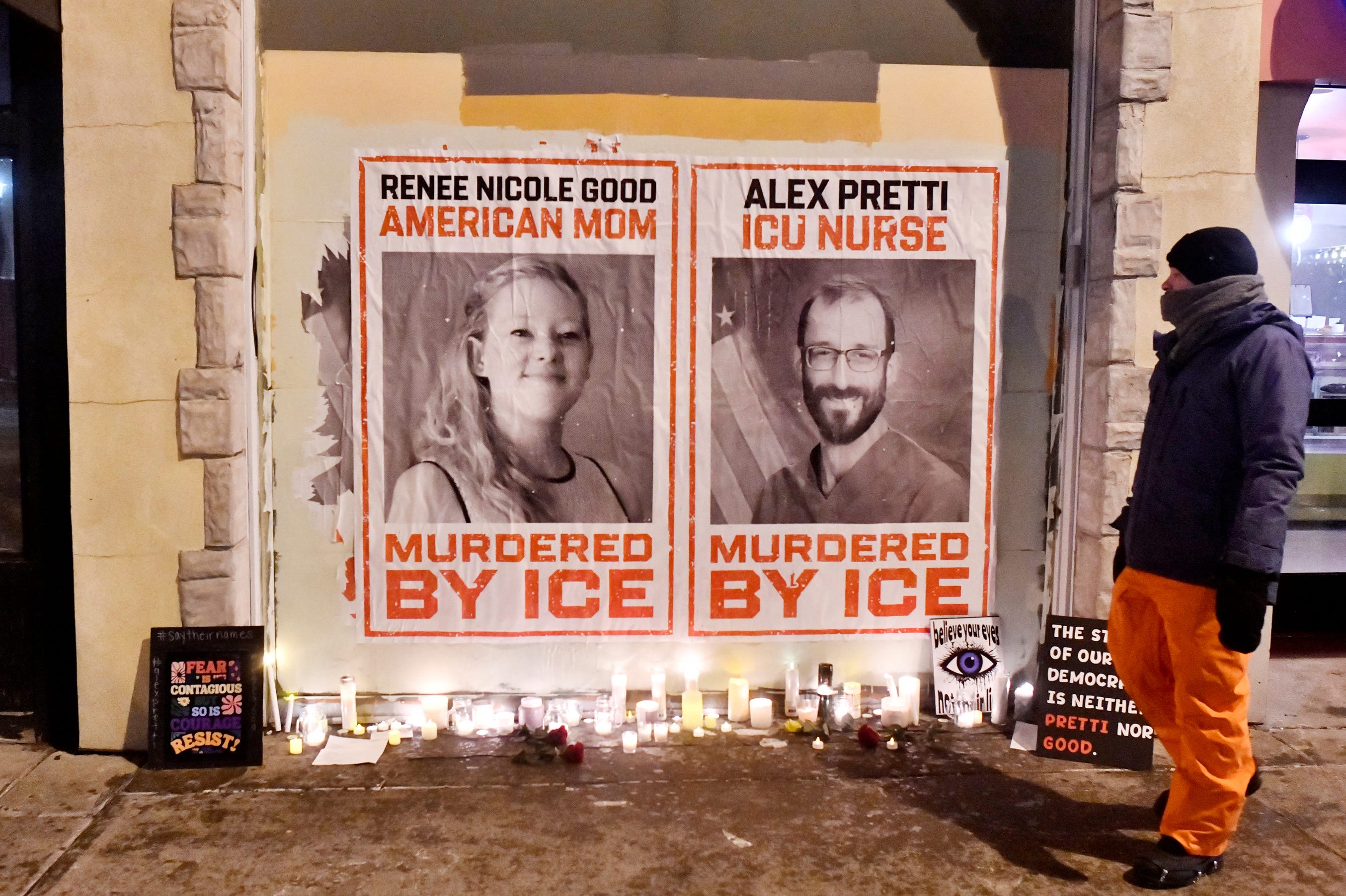
Another week. Another insane – and terrifying – seven days in Donald Trump’s America. It’s as if the worst of Donald Trump and his cronies is playing on repeat: another murder of a US citizen by federal agents; more attacks on the First Amendment; and another week of Trump’s allies fueling his obsession with the 2020 election.
Plus, two Democratic lawmakers were physically assaulted, and Tulsi Gabbard made a strange appearance. Here’s just a taste of what Trump and his allies did this week that harmed democracy, undermined the Constitution, and hurt people in the US and worldwide:
Saturday, Jan. 24 – DHS Murders Another American
Border Patrol agents murdered 37-year-old ICU nurse Alex Pretti in Minneapolis, marking the third shooting by federal agents in the area in recent weeks and the second fatality. The agents fired at least 10 shots at Pretti, who had been recording them with his phone, after they pepper-sprayed and tackled him to the ground.
In true Trumpian fashion, Homeland Security Secretary Kristi Noem and White House deputy chief of staff Stephen Miller cruelly and falsely labeled Pretti a “domestic terrorist,” spreading blatant lies that he was holding a gun and trying to “assassinate law enforcement.”
Just hours later, a Trump-appointed federal judge felt compelled enough to issue a late-night order, directly telling the administration not to destroy or alter evidence in the case.
Sunday, Jan. 25 – Bondi’s ‘Extortion’ Letter
Minnesota Governor Tim Walz rejected the Trump administration’s request to turn over voter data to the Justice Department and repeal sanctuary policies to “bring an end to the chaos” in Minnesota, a move lawmakers said amounted to “extortion” and “blackmail.”
The request, which was made by Attorney General Pam Bondi in a ridiculously-written letter sent hours after Pretti’s killing, drew widespread condemnation among Minnesota Democrats, including Secretary of State Steve Simon, who called it “an outrageous attempt to coerce Minnesota into giving the federal government private data on millions of US Citizens in violation of state and federal law.”
Monday, Jan. 26 – What First Amendment?
While appearing on right-wing podcaster Benny Johnson’s show, FBI Director Kash Patel said he launched an investigation into Signal group chats used by protesters in Minnesota to share information about federal immigration agents, including their locations and license plate numbers.
The move flies in the face of the First Amendment, which protects those who share legally obtained information, as well as the act of recording law enforcement officials.
Tuesday, Jan. 27 – Ilhan Omar Attacked
Just hours after Rep. Ilhan Omar was attacked at a Minneapolis town hall, Trump baselessly called the Minnesota lawmaker a “fraud,” and accused her of having set up the assault, in which she was sprayed with a substance by a man with a syringe.
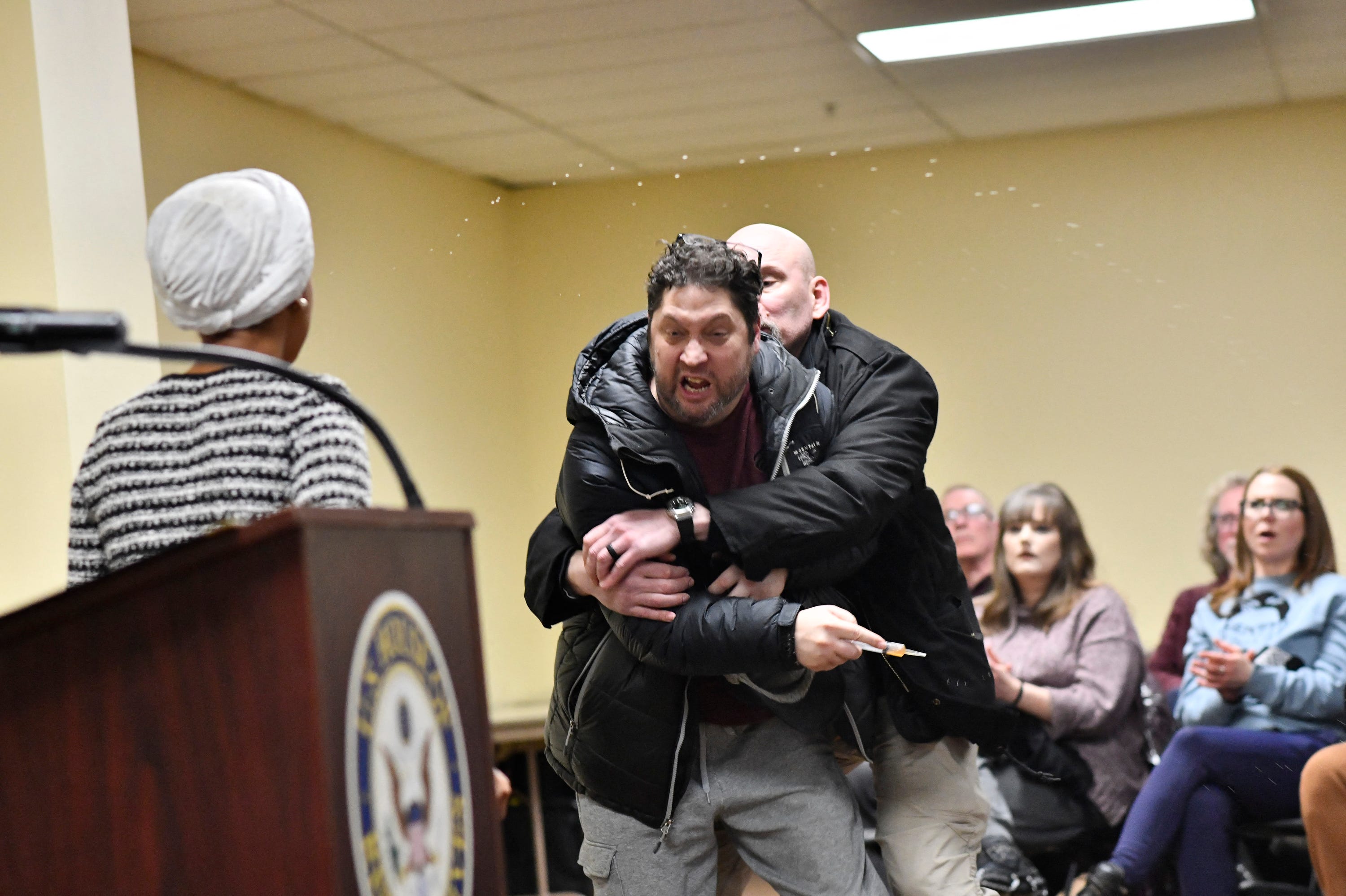
It is Trump and his Republican Party, of course, who have repeatedly put Omar in danger through years of spreading hateful and racist rhetoric about the lawmaker.

This comes just days after Rep. Maxwell Frost was attacked at the Sundance Film Festival. On Twitter, Frost said a man told him Trump was going to deport him before punching the lawmaker in the face and screaming racist remarks.
Wednesday, Jan. 28 – Why Was Tulsi Gabbard in Fulton County?
Trump’s FBI raided an election center in Fulton County, Georgia, as part of a search warrant authorizing agents to seize all “physical ballots from the 2020 general election” along with all ballot images and voter rolls from that year.
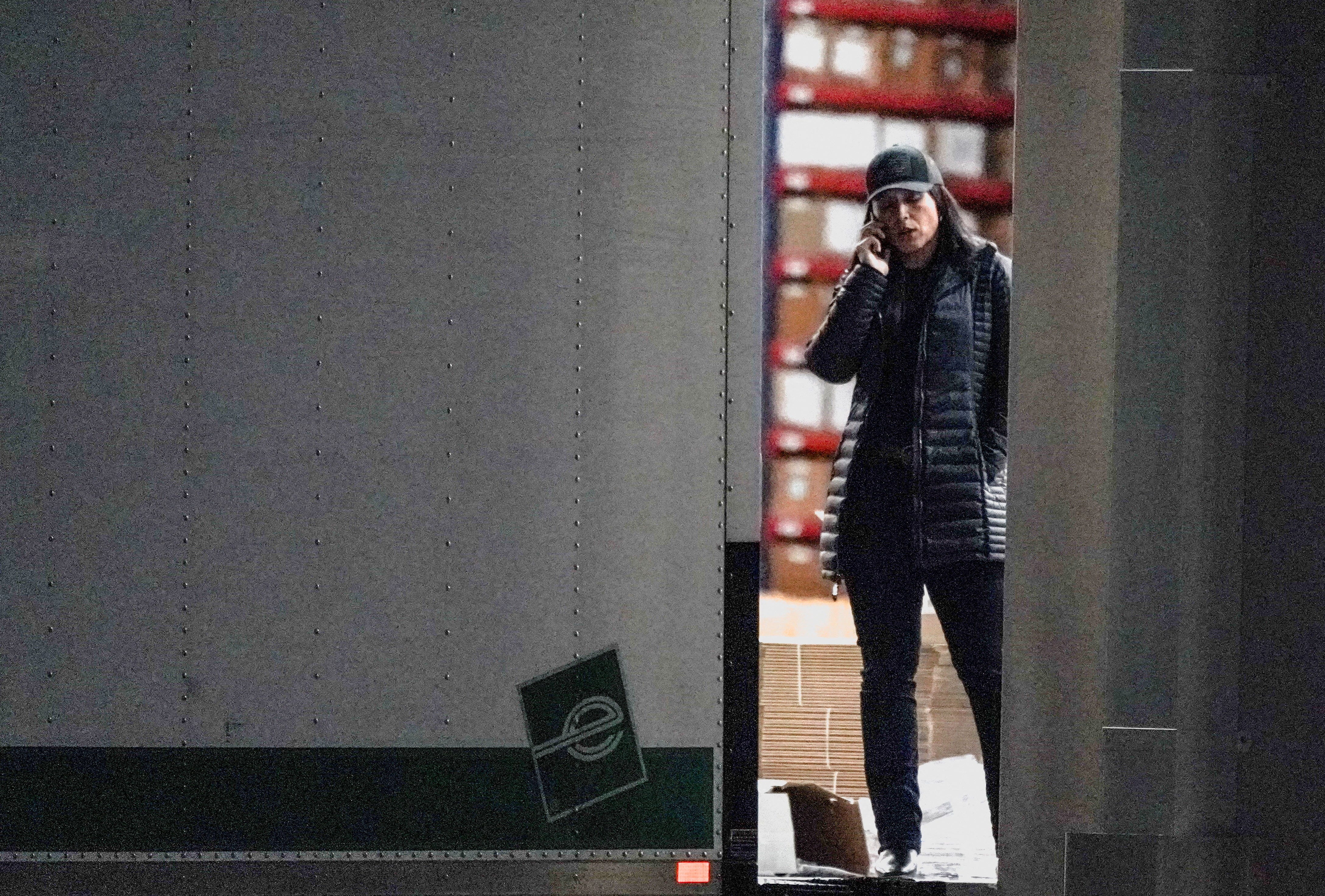
It wasn’t just FBI agents who descended on the election office – Reuters snapped a photo of Director of National Intelligence Tulsi Gabbard lurking in the building. The Wall Street Journal later reported that Gabbard, whose job is to oversee the country’s intelligence agencies and advise the president on national security matters, has instead been spending months investigating Trump’s long-debunked claims of the 2020 presidential election being stolen.
Thursday, Jan. 29 – A New Escalation Against the Free Press
In a dramatic escalation of Trump’s attacks on the First Amendment, federal agents arrested Don Lemon and three other journalists in relation to their coverage of a recent anti-ICE protest inside a St. Paul, Minnesota, church. The arrests come one week after a federal magistrate judge rejected the Justice Department's initial request to bring charges.
Reuters reported that Lemon has been charged with conspiring to deprive others of their civil rights, as well as violating the FACE Act by allegedly obstructing access to a house of worship.
In a statement, Lemon’s lawyer Abbe Lowell called the move an “unprecedented attack on the First Amendment” and a “transparent attempt to distract attention from the many crises facing this administration.”
Friday, Jan. 30 – Trump’s Fed Pick
After a year of attacking Jerome Powell and chipping away at the independence of the Federal Reserve, Trump named Kevin Warsh as the new Fed chair. Warsh, who, if confirmed, would replace Powell when his term ends in May, previously served as a member of the Fed’s board from 2006 to 2011.
After Trump’s repeated attacks on Powell, the Justice Department earlier this month opened a criminal investigation into the Fed chair over whether he lied to Congress about the renovation of the Federal Reserve headquarters. Powell called the probe “unprecedented,” saying he has always carried out his duties at the Fed “without political fear or favor.”
Warsh’s Senate confirmation could already be in jeopardy as Republican Senator Thom Tillis said he will oppose the nomination until the Justice Department’s investigation into Powell is “adjudicated or withdrawn.”
Did you miss previous weeks of ‘This Week in Democracy’? Catch up here. And check out more of Zeteo’s coverage from this week below:


Plus - ICYMI:

Thank you for the summary and your excellent reporting. Zeteo is unique in the scope of its journalism. It's an approach that allows us to see the world from a wide variety of perspectives and realities. Understanding difference is critical to knowledge, truth and the all important development of community. 'Love thy neighbour as thyself' comes alive and offers a route to peace when we take it upon ourselves to know our neighbours no matter how far they may live from us.