


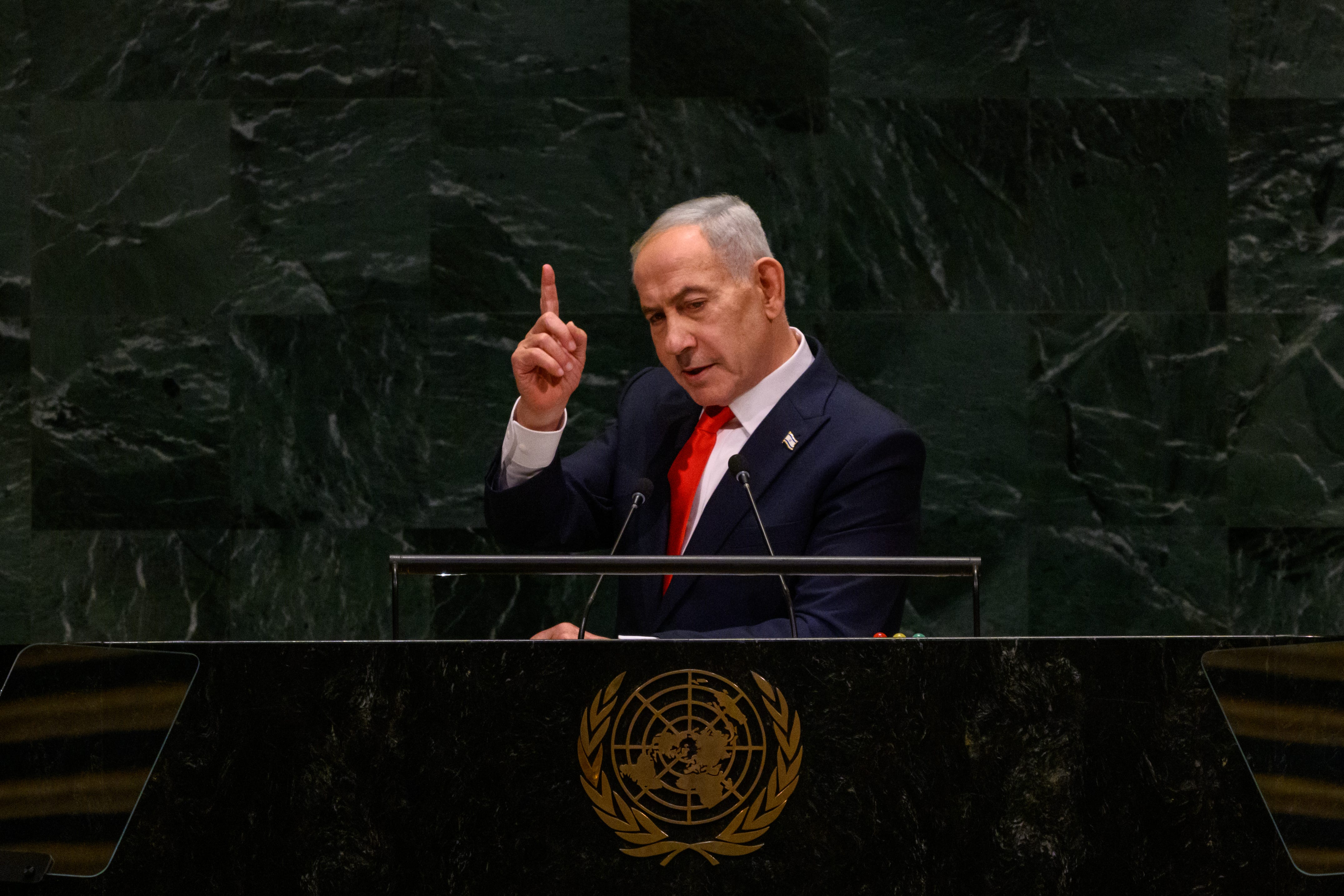
It was the spring of 1986. President Ronald Reagan had just delivered a national address pleading with Congress to give $100 million in military aid to the Contras – a right-wing paramilitary group seeking to overthrow the socialist Nicaraguan government – whom he once called the moral equivalent of America’s founding fathers.
Next, he launched strikes in Libya – causing domestic and international frustration, as the administration only notified Congress once the planes were airborne.
Involvement in Libya was an easier pill than Nicaragua for his opponents to swallow. Reagan attempted to use that reality to rally support for both efforts.
In remarks at a Heritage Foundation dinner, Reagan claimed the Nicaraguan Sandinistas were “training, supporting, and directing, as well as sheltering terrorists; and in this sense, they’re trying to build a Libya on our doorstep.” Conversely, he said, it was “the Contras, the freedom fighters, who are stopping them.”
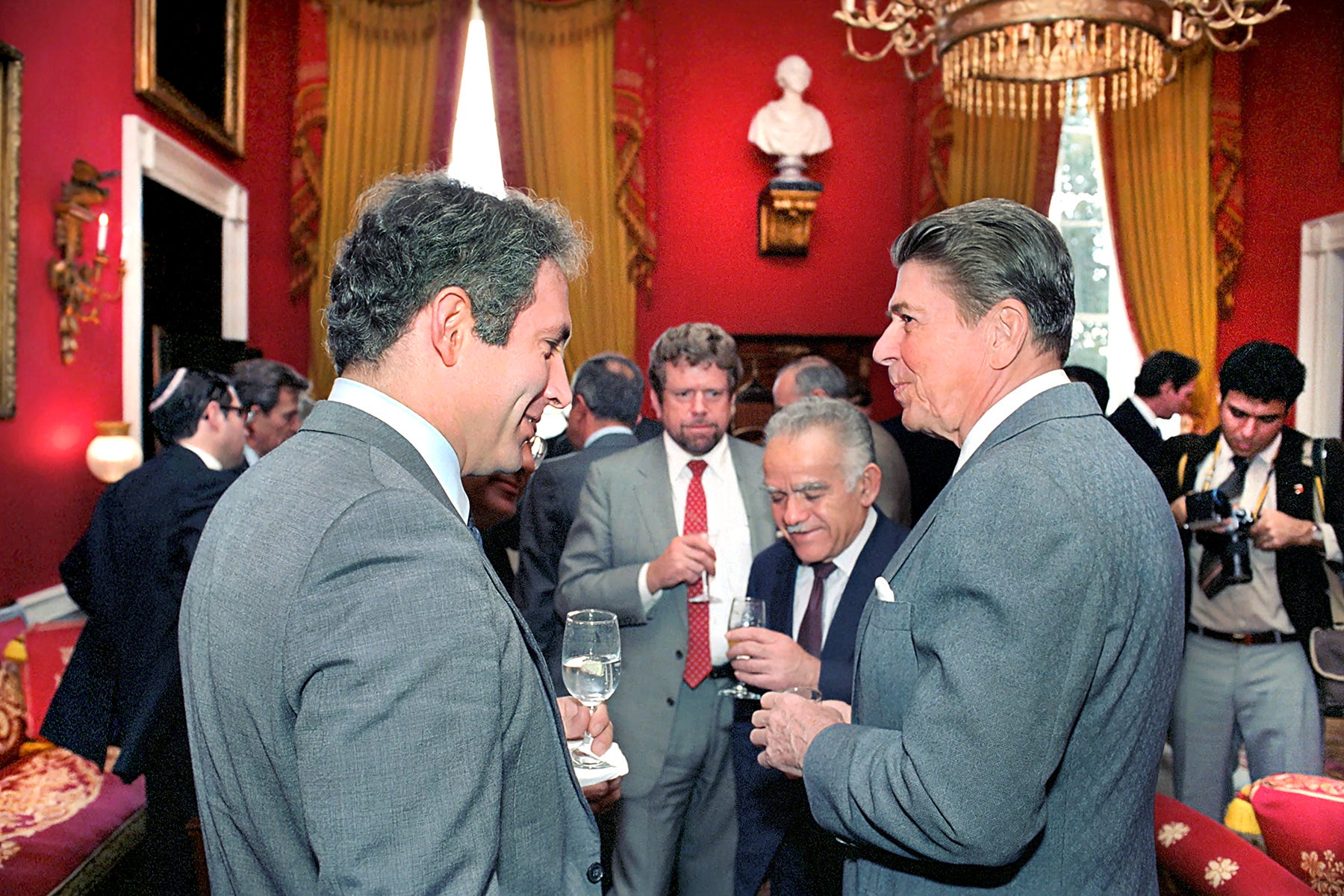
This language did not come out of nowhere. Around that time, Reagan read a manual of sorts: Terrorism: How the West Can Win – a collection edited by Israel’s representative to the United Nations, a young diplomat in his late 30s named Benjamin Netanyahu.
The book and its contributors focus on Libya as a nexus of terror, and “communist totalitarianism and Islamic (and Arab) radicalism” as harbors of terrorism, as they make self-serving distinctions between “freedom fighters” and “terrorists” – emphasizing the necessity to support the former, often fiercely against the latter.
Reagan’s then-National Security Adviser John Poindexter (who at the time was orchestrating the covert sale of U.S. weapons to Iran, to illegally divert the money to fund the Contras in what is known now as the Iran-Contra scandal) told Congress about the president’s interest in the book.
During a 1987 hearing, Poindexter recounted an episode on a flight in May 1986. He claimed that, after he and Reagan talked about Netanyahu’s book, the president asked if there was anything he could do “unilaterally” to back the Contras, despite an explicit congressional ban on funding the group. Here, Poindexter testified, is when he considered telling Reagan about the Iran-Contra scheme, but opted not to, to save him from political embarrassment.
A month after that episode, in June, the International Court of Justice, or the United Nations’ World Court, ruled that the U.S. had violated international law by backing the Contras.
The Reagan State Department rejected the ruling and said the ICJ was “not equipped” to rule on complex international military issues; the administration went on to veto UN resolutions calling for compliance with the judgment, rebelling against an institution that Netanyahu had for years lambasted as “incapable” of handling terror threats.
The episode is just one example of how the United States would utilize Netanyahu’s blueprint for a permanent “war on terror,” with increasingly disastrous consequences for Americans and millions all over the globe.
Rising Costs
It’s been nearly eight months since the U.S.-Israeli War on Iran first began, commencing with a horrific U.S. strike on a school that killed more than 120 children. All told, thousands of Iranians have been killed. At least 21 U.S. service members have been killed with 865 injured. As a result of the war, global energy prices have spiked.
While there is a ceasefire between Israel and Iran, the war between the U.S. and Iran is ongoing, and the U.S. and Israel are apparently planning to re-escalate after the forthcoming Israeli and American elections.
The failed and illegal war, unpopular in the U.S. from the start, has crippled Trump’s approval ratings, threatening to cost Republicans in the midterms.
In Israel, on the other hand, the war has been popular. Netanyahu instead is weathering domestic disapproval for other reasons. There are the longstanding allegations of corruption. There are the accusations he failed to stop October 7 despite being warned of looming attacks. There are the allegations that he failed to rescue hostages from Hamas, and that his government deliberately killed people on October 7 through the “Hannibal Directive.” There are also complaints that he’s not doing enough genocide in Palestine.
Now, as the Israeli election approaches, I reviewed Israeli Prime Minister Benjamin Netanyahu’s decades-old writings, and the exclusive conferences and meetings with D.C. elites he hosted, and congressional archives, and found how extensive – and successful – his efforts have been to define “terrorism” in Western power circles, and consequently, how influential he has been in steering the American-led “War on Terror,” including on Iran.