


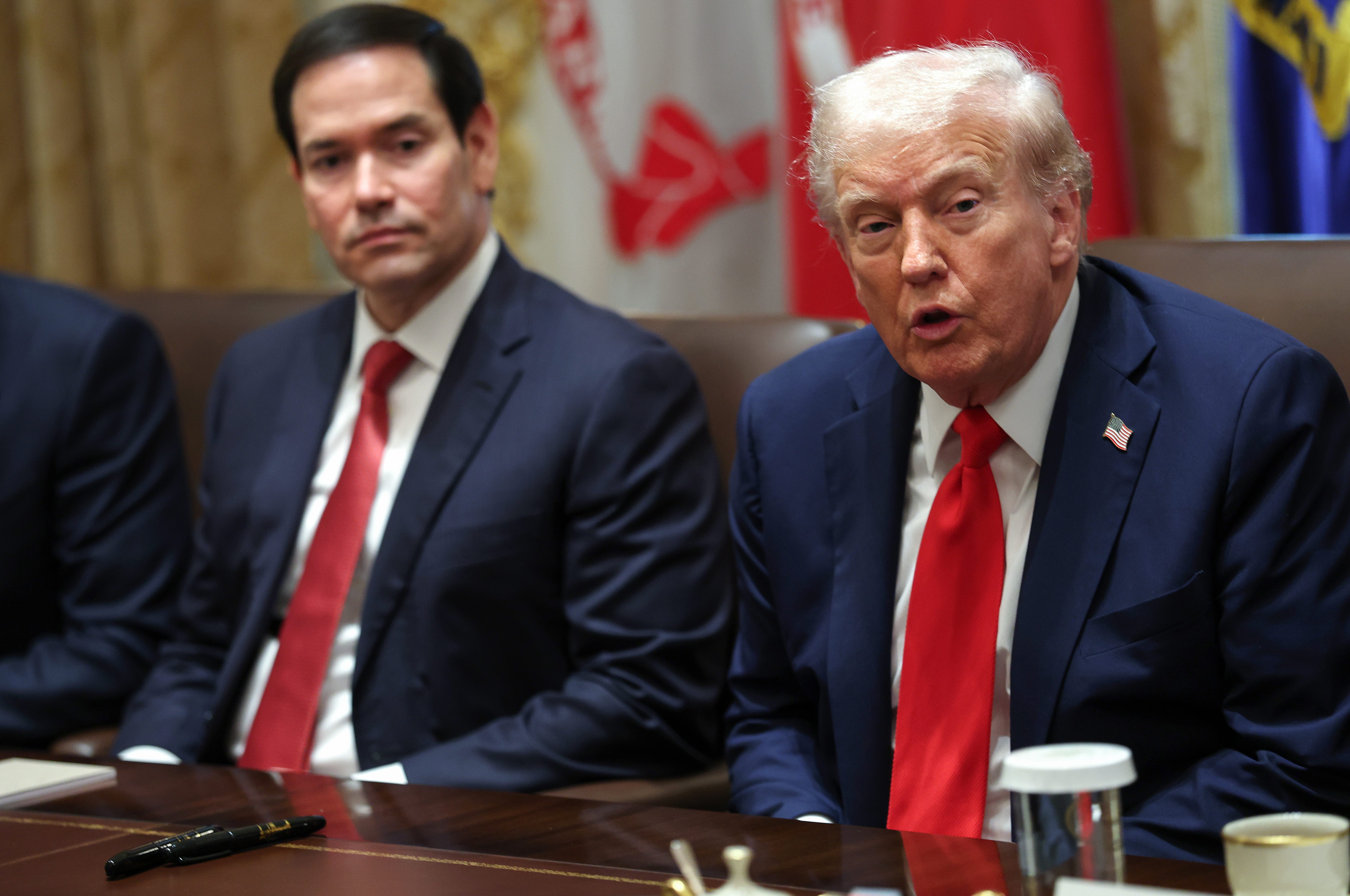
Amid a US-imposed oil blockade, Cuba is facing a worsening humanitarian catastrophe, including daily electricity blackouts and shortages of food, medicine, and other basic goods. The lack of fuel has put pressure on the country’s water systems and forced commercial airlines to cancel flights. The oil blockade comes after more than 60 years of sanctions, including an embargo on trade between the US and the island nation, as well as secondary sanctions on foreign firms that do business with the regime.
In the wake of the Trump administration’s Jan. 3 kidnapping of Venezuelan dictator Nicolás Maduro, Caracas, under pressure from the US, ceased all oil shipments to Cuba–a vital source of fuel for millions of Cubans. Mexico has likewise ended oil exports to Cuba amid tariff threats from the White House. More often than not, residents of the capital, Havana, lack power amid ongoing rationing of electricity. Food and health shortages are also increasingly acute in the culmination of an unprecedented humanitarian crisis engineered largely by Washington. Sadly, all of this suffering is likely aimed at appeasing neoconservatives in Miami.
In the final days of his first presidency in 2021, Trump designated Cuba as a State Sponsor of Terrorism (SSOT) – a move publicly pushed for by now Secretary of State Marco Rubio, who was a senator at the time. The designation, coupled with decades of mismanagement from the Cuban Communist Party, effectively destroyed the island’s tourism-dependent economy. After 2021, dozens of foreign firms pulled out of Cuba on pain of doing business with a “state sponsor of terrorism”; the Biden administration also announced that foreigners who visited the island would be barred from visa‑free travel to the US. In contrast to record arrivals elsewhere in the Caribbean, Cuba received just 1.8 million visitors in 2025 compared to over 4 million in 2019.
The post-pandemic crisis has been compared to the “Special Period,” following the collapse of the Soviet Union, which had subsidized its socialist ally until 1991. Beginning in the early 2000s, Cuba deepened ties with Hugo Chávez’s Venezuela, which began sending billions in crude petroleum for the island’s oil-fired plants as well as resale on the global market. As Venezuela has struggled with its own crises since the 2010s, oil shipments to Havana declined drastically from over 100,000 barrels per day (bpd) to around 10,000 bpd in 2025. Since 2023, Mexico has also sent Cuba around 10,000 bpd per year, with Russia providing around 5,000 bpd in 2025. Amid the oil blockade, Mexican President Claudia Sheinbaum has instead shipped humanitarian aid to the island while Moscow has ignored US tariff threats.
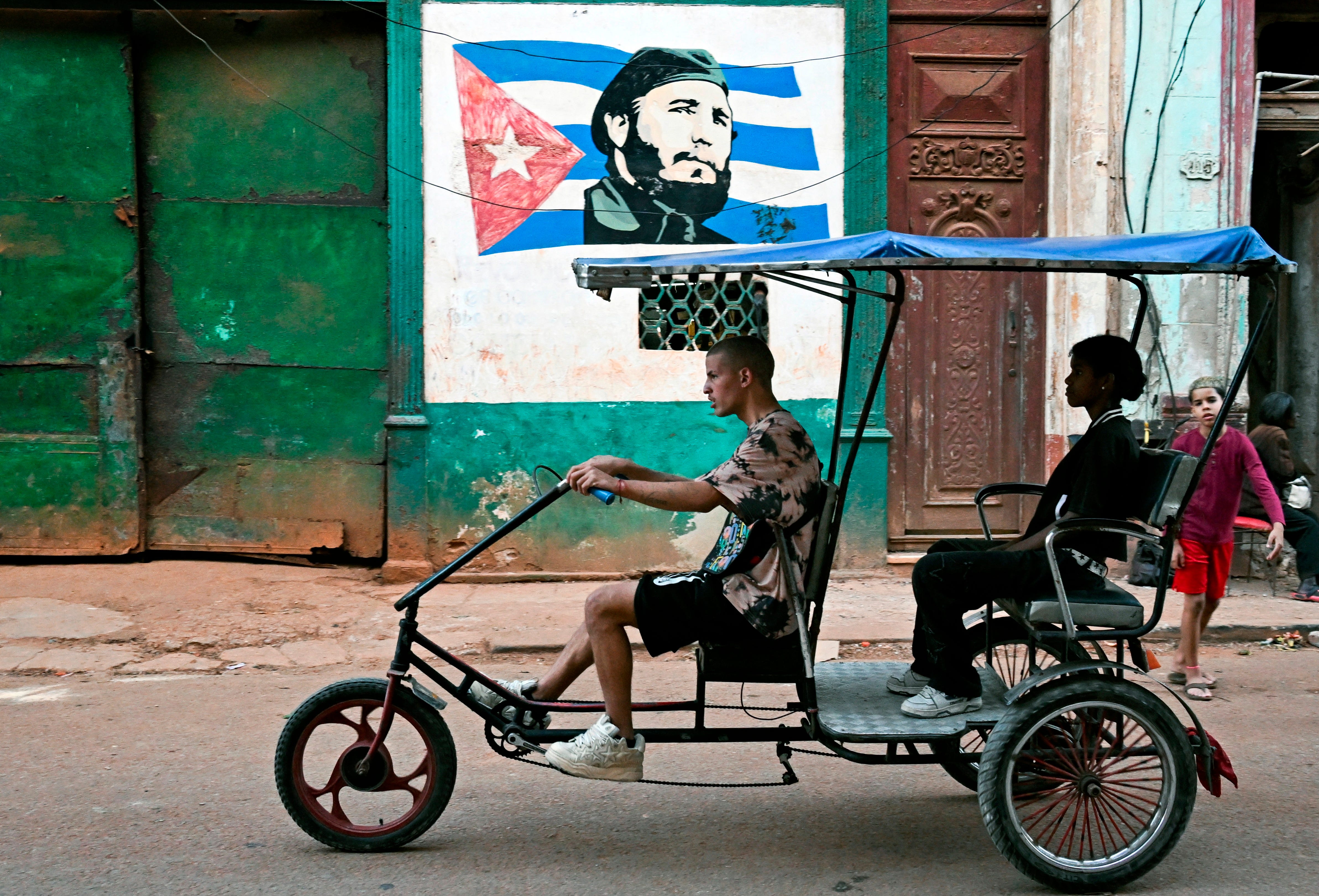
In the past, Havana’s tried-and-true method for dealing with internal unrest was simply to allow residents to emigrate to other countries; as many as 3 million Cubans are thought to have left the island since the end of the COVID pandemic. In 2021, the Nicaraguan regime opted to remove visa restrictions on its Bolivarian ally in Havana. This month, however, Managua announced that it would restore visa restrictions in an apparent effort to curry favor with Washington.
In the view of the administration – and Miami neocons – deepening Cuba’s crisis while increasing the cost of emigration should finally provoke regime change via popular uprising. In an Orwellian message to her constituents on social media, GOP Congresswoman María Elvira Salazar, who represents Miami, reminded Cuban-Americans of their complicity in perpetuating the regime by sending aid and remittances to family members on the island. She concluded by urging followers to look past a “suffering in the short term [and instead] free Cuba once and for all.”
Despicable as such statements and US policy towards Cuba may be, the reality is that each serves a cynical strategic and electoral calculus. Following Maduro’s kidnapping in Venezuela, Rubio, Salazar, and a cabal of allied influencers and activists in Miami have attempted to spin an otherwise bizarre symbiosis between the Trump administration and the Bolivarian regime. Last week, Energy Secretary Chris Wright joined interim President Delcy Rodríguez for a visit to the oil production facilities for a joint venture with Chevron in Venezuela, with no timeline for free and fair elections in sight. In the eyes of MAGA and Bolivarian propagandists, both Rodríguez and Trump are outsmarting one another. Yet for many rank-and-file neoconservatives in Miami, little has fundamentally changed in Venezuela.
Trump’s support among Latinos is currently in freefall, including a shocking nearly 20-point drop among Latino Republicans; in December, a Democrat even won the mayor’s race in Miami after more than two decades of conservative leadership. By throttling Cuba, the administration no doubt believes that it can shore up support among Latino neocons ahead of the midterms and, more importantly, ensure its oil interests in Venezuela. In his own words, Trump – and reportedly the CIA – have assessed that a sudden and perhaps any regime change in Caracas runs the risk of creating a regional quagmire akin to Libya after 2011. In truth, this concern is more than warranted, but ultimately matters little to the average neoconservative voter, donor, or dissident activist in South Florida.
Were it not for the Miami lobby, it’s ironically plausible that the president would be open to a similar Frankenstein arrangement with the Cuban regime. Trump had expressed interest in opening a hotel in Cuba as far back as the 1990s, with members of the Trump organization traveling to the island in 1998 as well as between 2012 and 2015. The president has claimed that his administration is currently in talks with Havana, which has expressed openness towards dialogue but has denied the existence of actual negotiations. Last week, Drop Site reported that Rubio deliberately misled the president about the seemingly fictitious talks. On the other hand, it’s equally plausible that MAGA primacists like Stephen Miller and Trump himself are more concerned about Cuban ties to Beijing and Tehran.
Speaking with Bloomberg’s John Micklethwait at the Munich Security Conference this weekend, Rubio urged Havana to embrace political and economic reform but declined to offer an endgame for its broader Cuba policy. The secretary, it seems, is committed to strangling the land of his forefathers in the name of ushering in “freedom” on the island.
Juan David Rojas is a journalist based in South Florida covering US and Latin American politics.
The views expressed in this article are the author’s own and do not necessarily reflect those of Zeteo.
Check out more from Zeteo:


I am so sick of the Miami Cubans having an outsized amount influence on our government for decades. Just because they have the money to buy influence. Don't just look at AIPAC, look at the Miami cuban lobbying also.
narco Marco has an ax to grind for the bourgeoise who were kicked out for selling out their country. the mass of poor Cubans suffered while his parents and their friends were partying on the people misery