


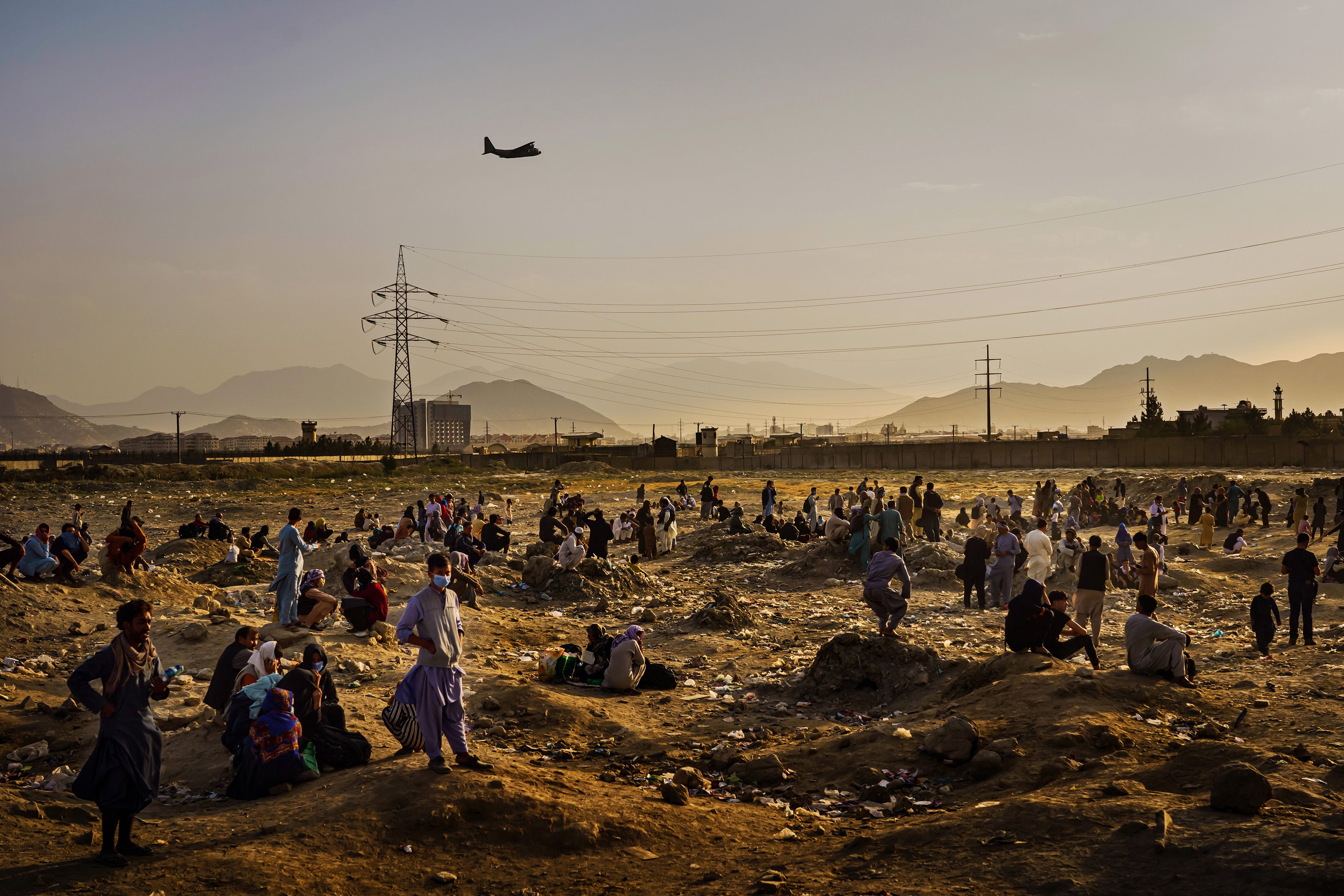
“You’ve come to this place to talk to us? That’s honorable,” a gray-bearded man in Afghanistan’s northeastern Kunar province told me as he sipped his green tea.
I visited the region in 2021, just a few months before the withdrawal of U.S. troops and the return of the Taliban, to report on war crimes in rural areas. Too often, these regions were completely ignored. For years, Western media coverage of the war was thoroughly “Kabulized” – meaning it focused almost exclusively on the country’s capital.
Even that description is too generous. Most Western reporting was confined to Kabul’s green zone, which didn’t even reflect the reality of the rest of the capital. While the slums of Kabul expanded in the shadows of pompous mansions built by pro-American warlords using aid money, subcontracting cash, sex trafficking, and drug operations, and while fancy parties took place inside embassy compounds and NGO villas, rural Afghanistan was being systematically targeted by American drones and death squads. Entire communities were shattered, and thousands of civilians were radicalized in the process.
Ultimately, it all collapsed.
Five years ago, American planes lifted off from Kabul’s airport, bringing a 20-year experiment in American empire to a humiliating end. In the years since, the narrative the West tells about Afghanistan has hardened into something comfortable and deeply self-serving.
The anniversary coverage will focus once again – rightly and overwhelmingly – on the Taliban’s horrific repression of women and girls, their bans on education and work, and the total dismantling of civil society. All of that is real, and all of it deserves urgent attention.
But the narrative built around these facts allows the West to assume its favorite posture: the grieving, generous patron whose noble project was ruined by an ungrateful, backward populace.
What that story leaves out is the very violence that made the Taliban’s return possible in the first place.