


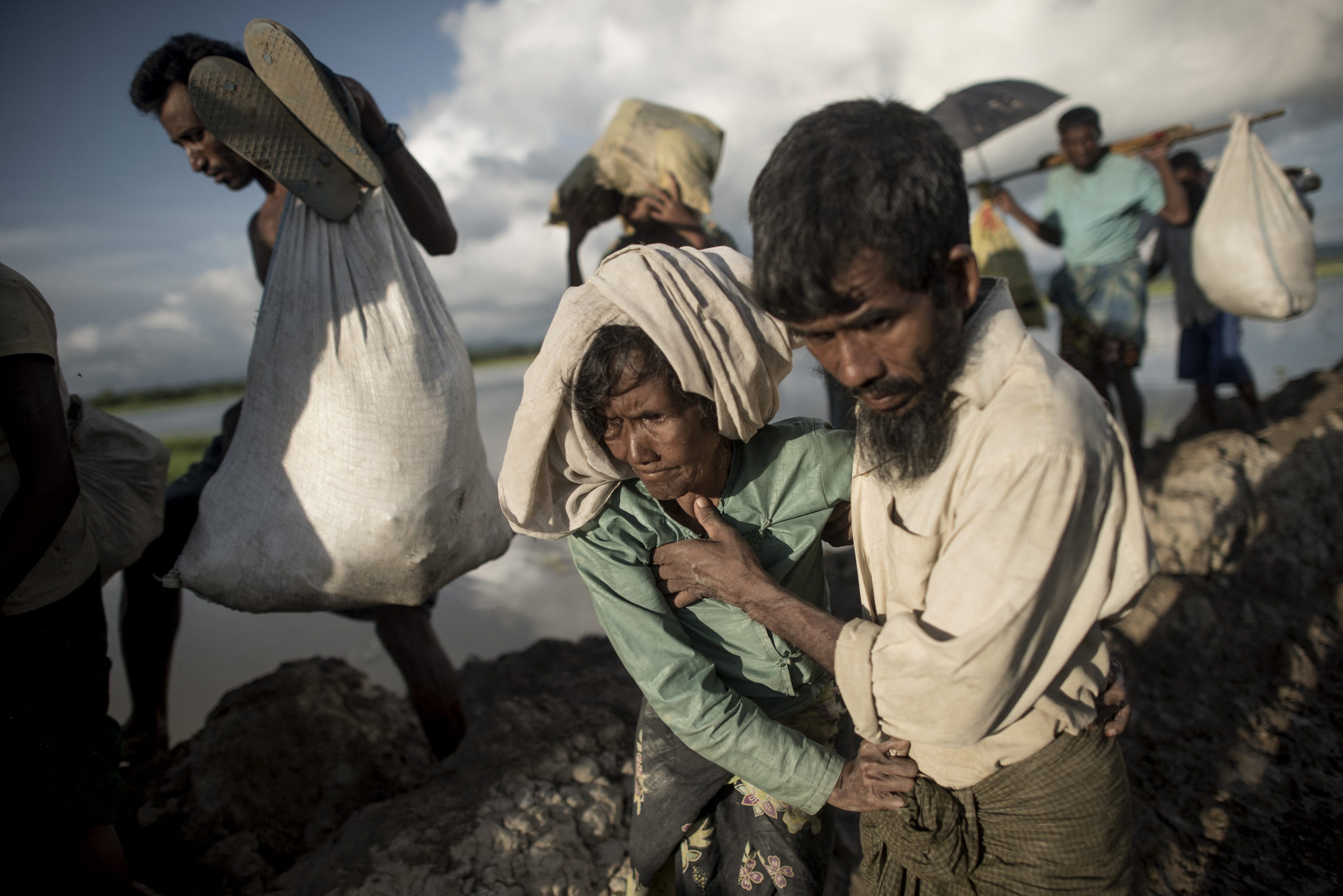
In a 9-6 vote, the International Court of Justice (ICJ) has ruled that Myanmar committed genocide against the Rohingya people in the northern Rakhine State. This is a remarkable moment for the Rohingya people and international justice – the first time, in fact, that the ICJ has ever ruled that a state committed this crime. It is a historic victory, worthy of celebration in a world where good things happen all too sparsely. Especially because it is a victory won against a global legal architecture almost designed to never find that a state committed genocide.
Indeed, states rarely admit openly that they are committing a genocide. Myanmar, for instance, claimed its actions during its brutal 2017 crackdown in Rakhine, including setting villages ablaze, killing at least 10,000 Rohingya, forcibly displacing hundreds of thousands of others, and raping women and children, were the result of a counter-terrorist operation against Rohingya militias. In these cases, international tribunals like the ICJ must infer the state’s genocidal intent from what they do, not what they say.
This is in fact rather difficult to do.