


We are making this piece free to all subscribers. If you’re not already a paid subscriber, consider becoming one today to get access to all Zeteo content. And if you’re already a paid subscriber, you can always make a donation to support our work further.
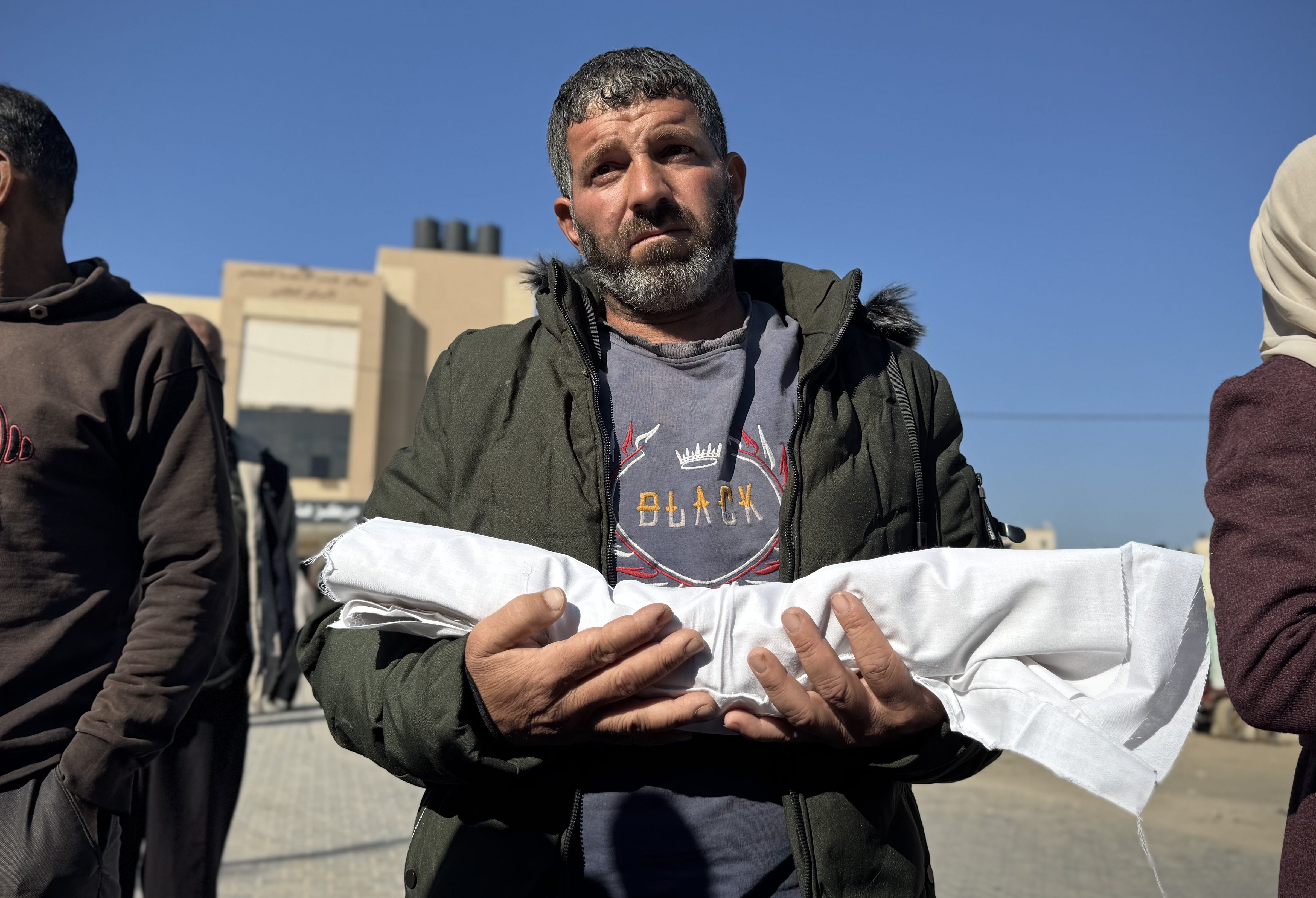
The images and testimonies emerging from Gaza this winter are tragic and unbearable. A 2-week‑old infant, Mohammed Khalil, was found “cold as ice” in a tent flooded by days of heavy rain. A 29‑day‑old premature baby, Saeed Abdeen, died from hypothermia despite desperate attempts by his family to keep him warm in their falling-apart nylon tent. Families waking each morning to water flooding their bedding from underneath, unable to dry anything in the relentless damp.
This is not simply the consequence of a harsh winter and the elements. These are the predictable and preventable outcomes of a suffocating siege and systematic obstruction of aid that have stripped more than two million Palestinians of the minimum conditions required for human survival. Storm Byron may have brought the rain and freezing temperatures, but Israeli policy is what is killing children.
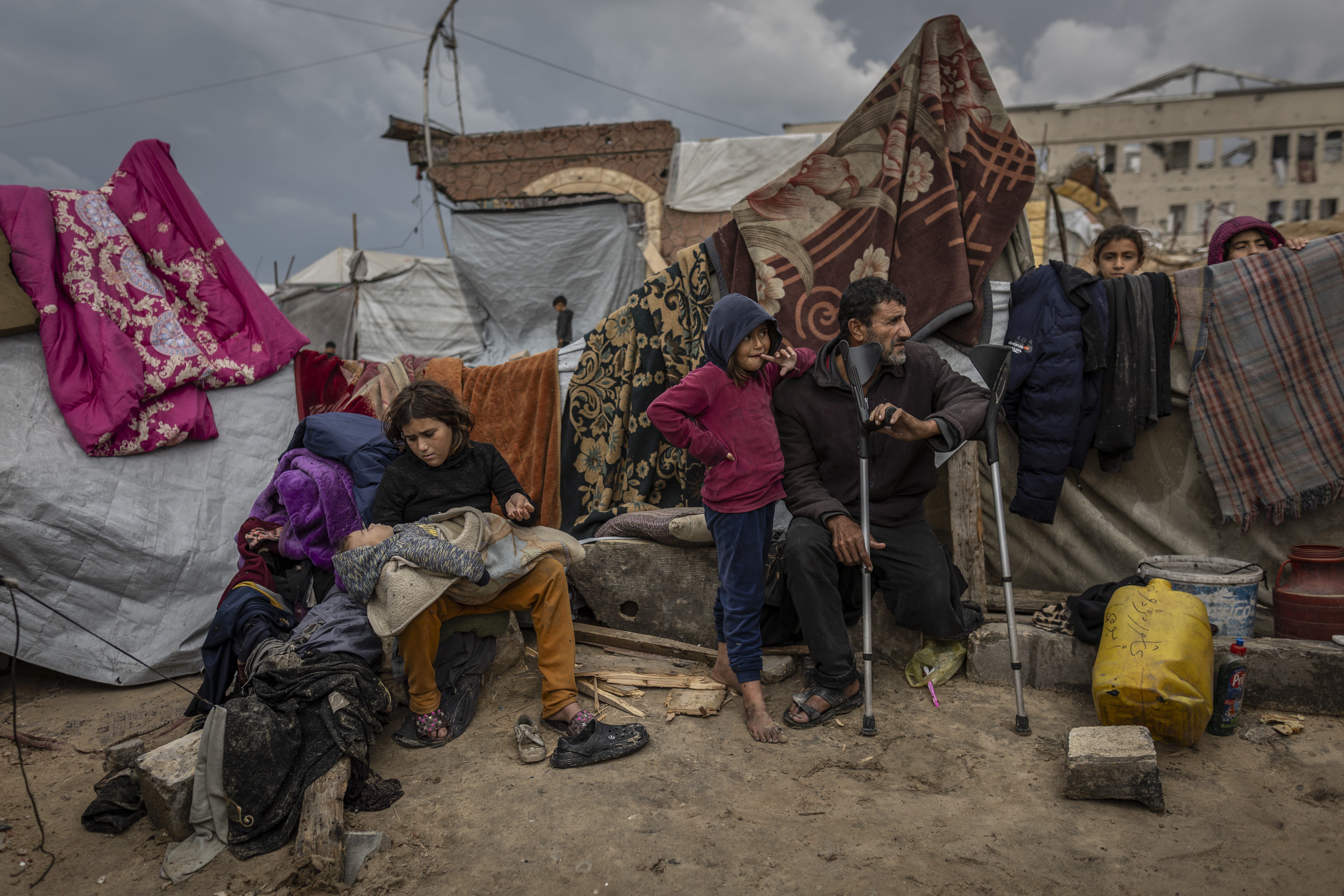
Over recent days, at least 16 deaths have been reported amid heavy rains and plunging temperatures. Waterlogged buildings collapsed on families who had no safer shelter, and three children were killed as the storm raged over displacement camps and makeshift tents atop rubble. More than 79,000 people are crowded into over 100 UNRWA schools turned into shelters, each one more damaged than the other, overrun with overflowing sewage from the rainfall. Humanitarian teams are attempting to address the issues on the ground in real time, but the most basic supplies needed, like timber, plywood, warm clothes, and proper tents, continue to sit idly at crossings as they are blocked by Israeli authorities.
The deadly cold fell on a population already debilitated by more than two years of relentless and indiscriminate bombardment, multiple forced displacements, and the collapse of Gaza’s healthcare system. Since the so-called “ceasefire” began on Oct. 10, we have repeatedly heard the international community call for a “scaling up of aid.” But the reality on the ground shows that the agreed-upon 600 trucks of humanitarian aid per day (outlined in President Donald Trump’s proposal) has yet to materialize. Instead, the average has been a fraction of that, around 244 trucks a day, according to Palestinian authorities.
Children are dying for lack of what any parent would call the bare necessities: blankets, tents, shoes, soap. More than 27,000 tents have been flooded, blown away, or ripped apart. Some 13,000 families are once again out on the street. OCHA estimates 795,000 people are in immediate danger amidst the freezing rain and plunging temperatures. And because construction materials are still restricted by Israel as so‑called “dual‑use” items, families have no way to reinforce their shelters. Even sandbags and water pumps sit blocked at the border.
Israel’s restrictions have also forced the closure of child‑friendly spaces and psychosocial centers. Save the Children shut down four of its sites due to flooding and sewage intrusion. And even if the children had access to these spaces of reprieve, they still lacked the shoes, coats, or safety to be able to trek through the sludge and mud that enveloped the camp’s dirt roads.
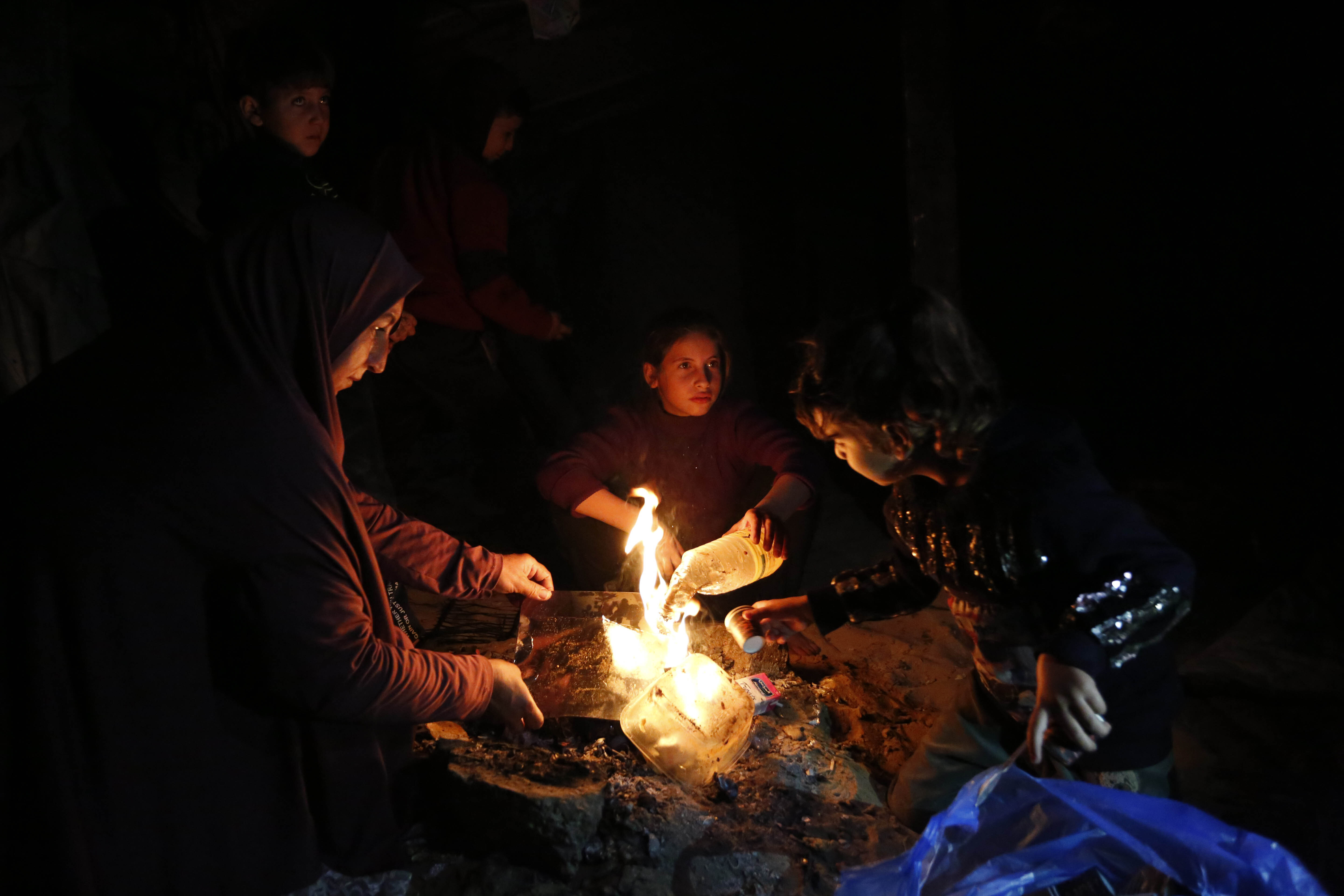
The cruelty of these conditions is tragically unthinkable. Families huddle around their infants at night. Mothers and fathers lie awake, checking whether their children are still breathing. The small bodies of infants are unable to generate enough heat to regulate their temperatures and not enough meat on their bones to insulate them further from the bitter cold. Healthy and full-term newborn babies are susceptible to complications caused by hypothermia, but in Gaza, many newborns are born prematurely with low birth weight and to mothers having difficulty nursing, confined to an ever-shrinking Gaza with no electricity, no sanitation, and no materials to rebuild. Respiratory infections are surging. Waterborne diseases are rising. If a Palestinian newborn or infant miraculously survives the cold night, they are still fighting for their life amidst communicable diseases and a lack of access to proper healthcare. Even the most vigilant parents who identify early signs of distress in their babies will find no ambulance or car to be able to navigate the streets during the flooding, and hospitals without warmers or supplies to revive them.
Despite the US brokered ceasefire, Israel has continued attacks that have killed hundreds of Palestinians and injured more than 1,000 since the agreement began. Homes are still being destroyed. Aid requests are still being rejected. Doctors are still being denied entry, including myself.
The Blame Is Ours
There is a thorough attempt to undermine the welfare of the Palestinian population in Gaza via the blocking of humanitarian aid. The world must stop treating the word “ceasefire” as a guarantee of safety when Gaza’s residents remain under fire, under siege, and under conditions that guarantee more suffering and heartbreak.
Images of mobile homes in Egypt or Jordan awaiting approval to enter Gaza only confirm what every humanitarian organization has stated: if access doesn’t change, more infants will die. Pontificating over who will make up an “international stabilization force” underscores a lack of seriousness by the international community. Parents are burying their babies and can’t find a piece of cloth to cover their surviving children; the discussion should be solely focused on lifting the blockade and allowing aid to enter without restrictions. If that happens, lives will be saved; it is as simple as that.
It is not harsh weather that is killing Gaza’s children. It is the intentional effort by Israel to ensure that cold, heat, and humidity are made unsurvivable. It is the willful betrayal of international humanitarian law, reinforced by dehumanizing rhetoric amplified by governments and mainstream media.
As if a baby, less than a month old, dying from the cold is somehow less tragic because they are Palestinian.
Are we foolish enough to believe that aid will miraculously enter without accountability? When there are no consequences for starving a population, cutting off water and electricity, and blocking access to shelter materials and treatment, how can we not expect the death toll to rise?
We can blame the strong winds. We can blame the cruel winter. But the blame is ours… unless policymakers and officials understand that we are not deceived by phony ceasefires and false promises. The stakes remain high, the urgency is extraordinary, and we must not fall into the trap of those who seek to convince us otherwise.
Dr. Thaer Ahmad is a Palestinian-American emergency room physician from Chicago. He traveled to Gaza in 2024 with humanitarian aid organizations and worked at Nasser Hospital in Khan Younis and Al-Aqsa Hospital in Deir al-Balah.
The views expressed in this article are the author’s own and do not necessarily reflect those of Zeteo.
Check out more from Zeteo:


Just sent this to my Democratic congresswoman: "Once again I am writing to urge you to pressure Israel to allow humanitarian aid into Gaza. Palestinian babies are dying from the cold but Israel won't let in enough aid trucks to help them! This situation is outrageous and amounts to a crime against humanity. Please keep trying! The suffering is unbearable.
Thank you."
I am just so disgusted with the cruelty in this world 🌎 😭