


Note from our Editor-in-Chief: This interview essay is part of our special week-long coverage marking three years since the horrific Hamas Oct. 7 attack on Israel and the U.S.-funded Israeli genocide in Gaza that followed. If you’re not already a paid subscriber, become one today to get full access to all of Zeteo’s Oct. 7 coverage and more. – Mehdi
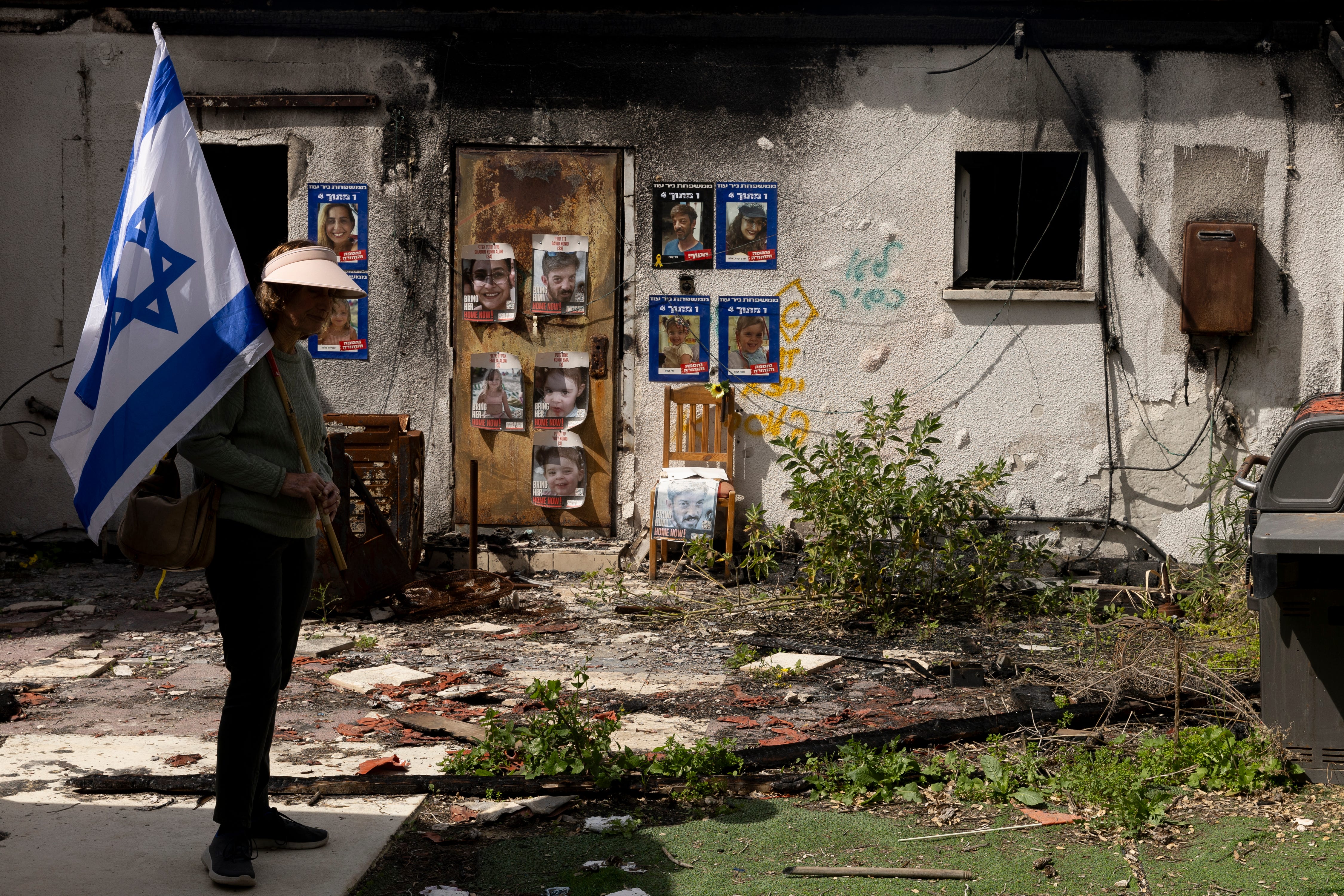
Another October 7 anniversary is being observed in jarringly discordant ways across the small strip of land formerly British Mandatory Palestine, and far further afield. At home in London on that weekend three years ago, seemingly irreconcilable emotional attachments demanded sustenance. The weekend passed speaking to friends in Israel as they awaited news of those potentially missing. Many spent the following days attending funerals of colleagues, pals, and loved ones killed during the assault; many then campaigned for the release of those Israelis held in Gaza.
As that Saturday bled into Sunday, the chilling rhetoric of Israel’s leadership was impossible to ignore – threatening to collectively punish the entire civilian population of Gaza. Knowing the source of those threats, and the history of the state’s actions, the sense of foreboding was gripping. Palestinian colleagues were also on the end of the phone that weekend: ‘What should we say?’ Even as the enormity of what was unfolding became clear, there was still hope the worst could be prevented. But there was to be no such respite.
Within less than 100 days, I would sit sobbing quietly, listening to the testimonies of the remarkable legal team assembled by the government of South Africa presenting their case at the International Court of Justice in The Hague to prevent and punish crimes of genocide being committed by Israel in Gaza. As Blinne Ní Ghrálaigh, Adila Hassim, Tembeka Ngcukaitobi and Max du Plessis, among others, detailed the ongoing actions being undertaken by a state claiming to carry the imprimatur of Jewish continuity, born out of the Holocaust, the impact was at times overwhelming.
Now, on this third anniversary of October 7, Israel is preparing for its first election since those events, to be held in three weeks’ time. New revelations are swirling about warnings Israel’s leadership may have received at the time regarding an impending attack. The timing of these new exposés – a call from the UAE leader, a hurried visit from the Egyptian intelligence chief – is more than a little suspect in the context of the fevered election campaign. It seems that even for Israel’s most ardent regional collaborators, the penchant of the current coalition for bloodthirsty rhetoric and action has become inconvenient.
The problem with all of this reportage is that it continues to ask the wrong question.