


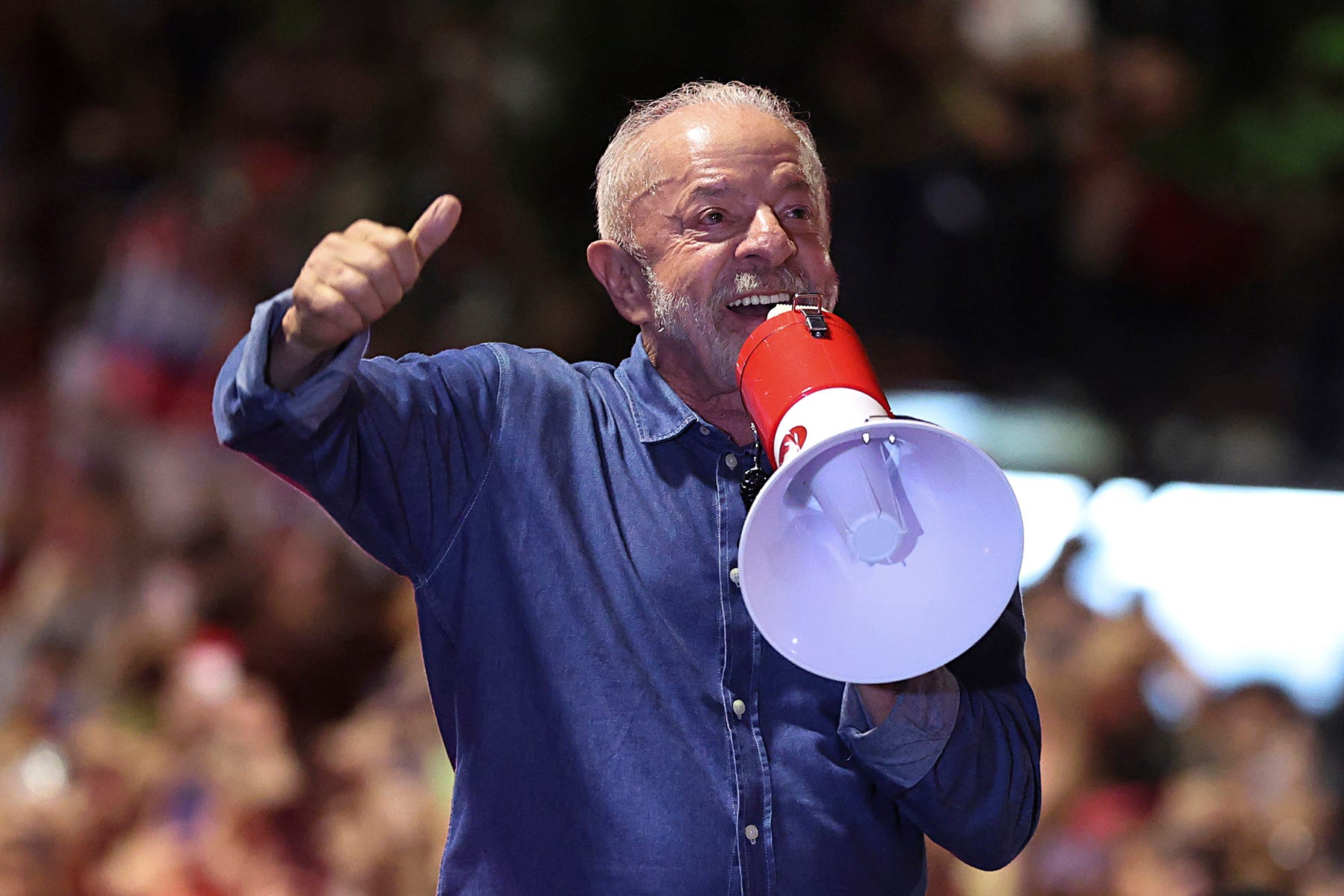
When Brazil’s first round results came out, the Brazilian left went into a panic. Pollsters undercounted far-right candidate Flavio Bolsonaro’s tally, who ended up first with 47% of the vote. Brazil’s president, Luiz Inácio Lula Da Silva, a veritable legend of the Latin American left, fell to second place, with 45%, a difference of over 2 million votes. Sentiment around Brazil’s left electorate was negative and defeatist. It seemed quite impossible to turn around such a solid Bolsonaro advantage.
But just when morale was at its lowest, Lula reshuffled his campaign team, incorporating the 41-year-old Governor of Piauí State, Rafael Fonteles. Lula, now in his 80s, had never been much for social media, seeing it as a U.S.-backed fake news industry that could never replace face-to-face contact with his voters. Fonteles’ greatest achievement was convincing Lula he could do both: an aggressive social media campaign, while travelling the country.
Thus, Lula’s revamped campaign launched two days later, with the octogenarian’s first-ever selfie video. This new approach was new ground for Lula. According to insiders, Lula has historically preferred a more sober tone and highly produced aesthetic focused on reporting his achievements to the public. The strategy was simply no longer working with newer generations that sought a personal connection and a vision for the future. Fonteles’ new aesthetic was bare-bones – the man himself, holding his own phone, with no tie, just talking to people not about legacy, but things that matter today: ending Brazil’s 44-hour work-week, free buses on weekends, and protecting social programmes from Bolsonaro’s Milei-inspired austerity plans. It was a style that worked for Lula and a message that resonated with Brazil. You could say Fonteles learned the right lessons from Zohran Mamdani’s success: not that flashy fonts and engaging videos win elections; but that his job was to make the voter pay attention to the message, whatever that meant. And oh did he!