


A note from our Editor-in-Chief:
I am delighted to re-introduce Harrison Mann to Zeteo. A former Middle East analyst at the Defense Intelligence Agency (DIA) and a former US Army major, he has written for Zeteo before but now, thanks to your support and paid subscriptions, he’s officially a Zeteo contributor. As the US gets closer to a ground war in Iran, Harrison will be bringing his expertise and experiences to Zeteo readers. If you’re not already a paid subscriber, please become one today to avoid the paywall and to support independent journalism in a time of war.
-Mehdi

This week, President Donald Trump launched a one-man diplomacy blitz to end his war with Iran – maybe literally “one-man,” because it’s unclear if Trump was negotiating with anyone but himself.
On Monday morning, just two days after he threatened to bomb Iranian power plants – a likely war crime – Trump posted about “VERY GOOD AND PRODUCTIVE CONVERSATIONS REGARDING A COMPLETE AND TOTAL RESOLUTION OF OUR HOSTILITIES,” between unnamed American and Iranian negotiators. On Tuesday, he both tacked on the puzzling claim that Iran had given him a “very big present,” and reportedly sent Iran a 15-point ceasefire plan similar to US demands already rejected before the war.
Pakistani intermediaries confirmed they had delivered Trump’s messages to Tehran. Iranian officials denied talks had taken place – and made their own demands.
Whether or not Tehran has opened Trump’s DMs, the sad truth is that Trump’s own actions have made negotiating a peace nearly impossible in the immediate term. The good news is there’s still a lot he can do to speed up the end of his war. But let's start with what he can't do:
Why Trump Couldn’t End His War Tomorrow, Even if He Wanted To
The last two times Iranian leaders tried to negotiate with Trump, he bombed them. June’s negotiations ended with strikes on Iranian nuclear facilities. And last month, Trump wrapped up talks by letting Benjamin Netanyahu assassinate Iran’s head of state and much of its upper political echelon. The Israeli government is so intent on eliminating prospective Iranian leaders (and sabotaging diplomacy) that Trump himself has jokingly implied he couldn’t identify the chief Iranian negotiator because then the Israeli government would kill him.
Trump’s pronouncement this week could be a genuine if ham-fisted attempt to end the war, but it’s just as likely he was trying to soothe (or manipulate) markets, or to buy time to maneuver thousands of Marines and paratroopers into place for a ground invasion.
Unable to take Trump at his word, Tehran’s strategy is to inflict so much pain – primarily by driving up energy prices through disrupting shipping and destroying Gulf states’ energy infrastructure – that Washington is compelled to end the war and deterred from launching another. In effect, Iran’s leaders won’t agree to stop fighting until they’re satisfied Trump has learned his lesson.
The Pentagon is nowhere near shutting down Iran’s drones and missiles, and a few well-placed drone strikes per week is all Tehran needs to maintain veto power over the Strait of Hormuz and global food and energy prices. That means Tehran is in no rush to make a deal. Financial pressure is even less of a factor than military pressure – Iran’s oil exports actually increased after the war began.
This doesn’t mean the situation is hopeless. The sooner Trump can prove he’s serious about negotiating, the sooner a lasting peace will be possible. Here’s what the Trump administration must do to rebuild the trust it violently ruptured with Tehran:
1. Unilateral De-Escalation
The clearest way Trump can signal he doesn’t want to destroy or take over Iran is to stop openly trying to destroy and take over Iran. He could pause US strikes for a prescribed period, halt deployments of ground forces, or move ships and aircraft out of the region. From Trump’s point of view, this move has the benefit of being fairly noncommittal: he can easily order the US air force, navy, and rapid-response ground troops back to the region if he feels Tehran isn’t responding.
2. Acknowledge Iran’s demands
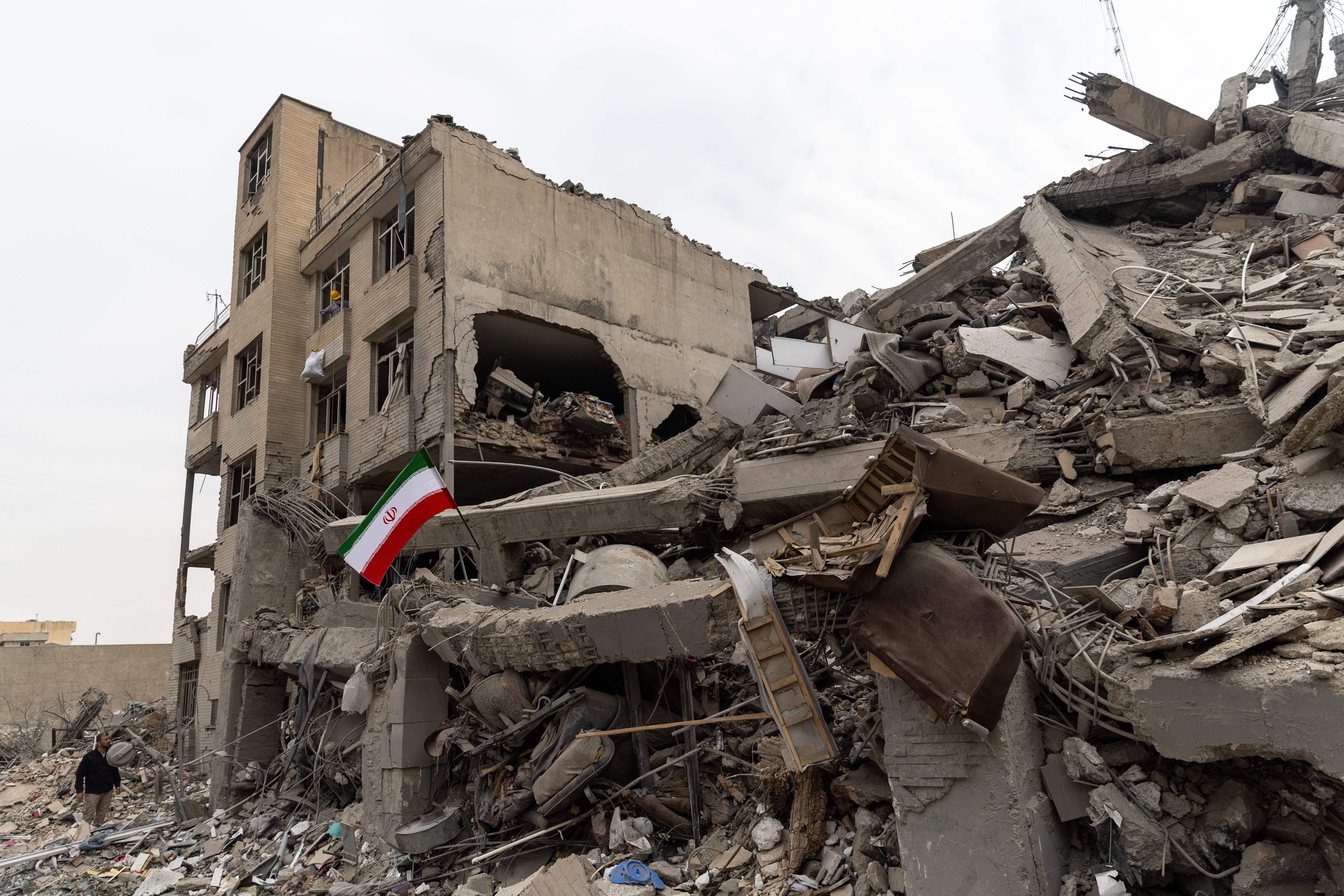
Over the weekend, the Iranian government released its own list of conditions to end the war, which includes financial compensation for US-Israeli strikes, closure of all US bases in the region, ending the Israeli war in Lebanon, lifting sanctions, and recognition of an Iranian-run mechanism to control traffic through the Strait of Hormuz.
These are undeniably bold demands, but Trump doesn’t need to accept them. He just needs to agree to put them on the agenda, to show that future negotiations will be genuine two-way conversations. A hopeful reading of Trump’s reported 15-point plan suggests he’s trying to do just that. Unlike Trump’s pre-war demands, the new proposal offers the sanctions relief Tehran has asked for, though the Trump administration has already lifted sanctions on some Iranian oil in a desperate bid to keep gas prices down.
3. Rein in Netanyahu
The Israeli prime minister is in no rush to end a war he sees as his best chance to achieve regional domination. Though the decision to strike ultimately lay with Trump, Secretary of State Marco Rubio and House Speaker Mike Johnson all but declared that Netanyahu dragged Trump into the war. Tehran needs a guarantee this won’t happen again, the day after a treaty is signed.
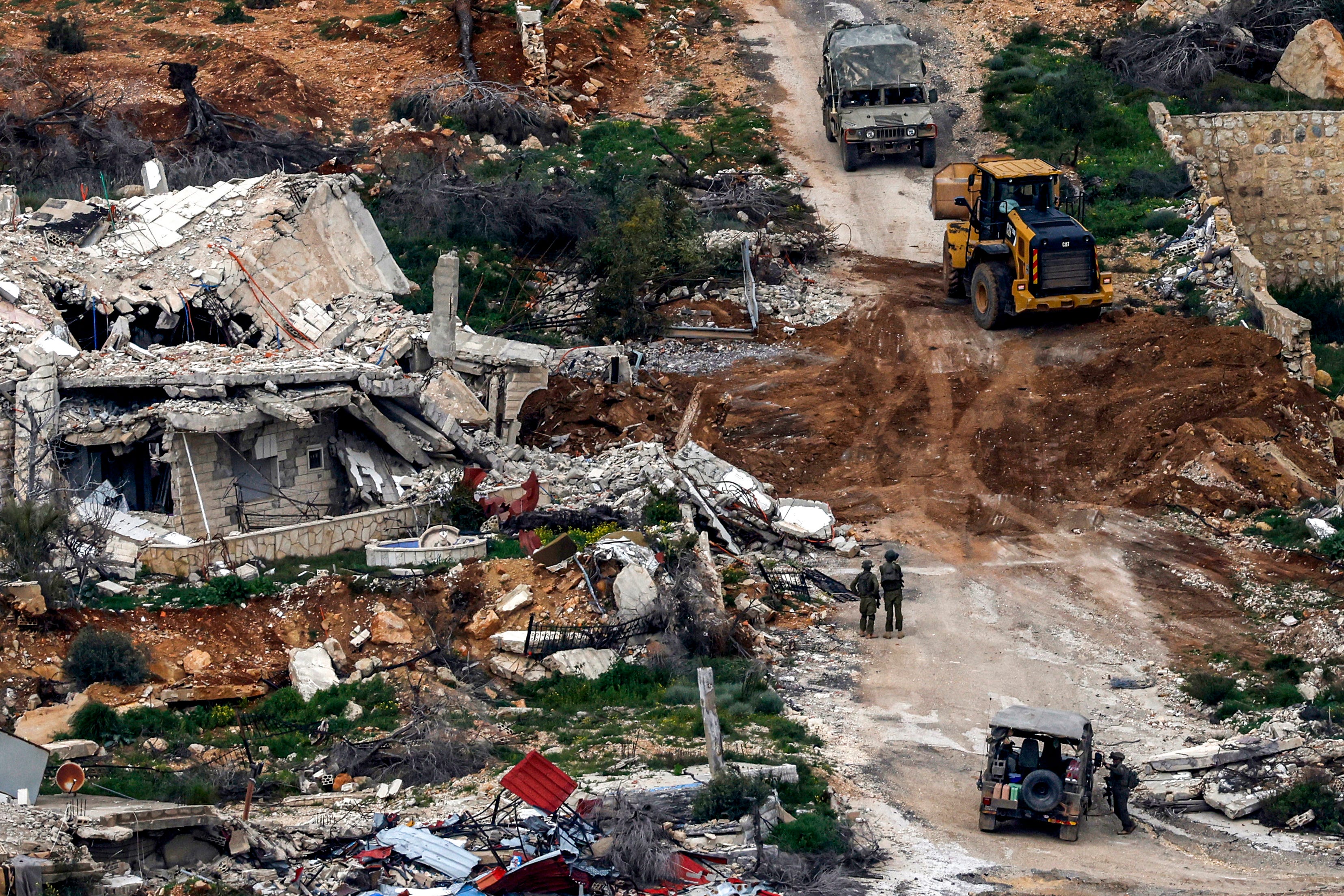
Trump still has near-absolute leverage over the Israeli government, whose dependence on US weapons and protection has only increased since it started a war with Iran and announced plans to reinvade Lebanon amidst a new war with Hezbollah. Trump could withdraw military support, to force Netanyahu to join a unilateral ceasefire or even to withdraw from Lebanon altogether – another Iranian demand. If the Trump administration wants to avoid ending its Iran war only to get dragged into a new regional conflict, it should welcome any excuse to cut short the planned Israeli occupation of southern Lebanon.
These unprecedented steps would be a tall order for any US president, much less one as mercurial and poorly informed as Trump, and they would be fiercely resisted and undermined by both the Israeli government and the Iran hawks of DC and Fox, who wanted the war in the first place.
But good-faith negotiations are probably also inevitable. Despite weeks of heavy bombing and assassinations, Iran’s regime is still in charge, and more military pressure is unlikely to shake its stranglehold on global energy and agriculture. Even a massive Iraq-scale regime-change ground operation (which would take months to assemble and much longer to complete, hopefully a timeline beyond Trump’s attention span) might struggle to secure the Strait of Hormuz. In fractured Yemen, Houthi rebels who control about a third of the country still have de facto control of Red Sea shipping traffic.
Sooner or later, Trump will have to earn back his seat at the negotiation table. The only question is whether he needs to get thousands of US troops and thousands more civilians killed before he figures that out.
Harrison Mann is a former US Army major and executive officer of the Defense Intelligence Agency’s Middle East/Africa Regional Center who resigned in protest of his office’s support for Israel’s war in Gaza under the Biden administration. He is currently with the group Win Without War and recently became a Zeteo contributor.
The views expressed in this article are the author’s own and do not necessarily reflect those of Zeteo.
Check out more of Harrison’s recent essays in Zeteo:


Harrison Mann describes Iran's demands as "undeniably bold." I think they are more than reasonable. "Financial compensation for US-Israeli strikes, closure of all US bases in the region, ending the Israeli war in Lebanon, lifting sanctions, and recognition of an Iranian-run mechanism to control traffic through the Strait of Hormuz" are what is desperately needed to attain lasting peace in the region.
I like option 3 best, Rein in Netanyahu. Here's how you do it: US demands a total and permanent ceasefire beginning immediately. Require Israel to withdraw its forces, military and otherwise, from Gaza, Lebanon, Syria, Yemen, Iran and the West Bank. Meet all of Iran’s demands. Connect Gaza to the West Bank by annexing the land south of Beersheba to create Greater Palestine. Israel and Greater Palestine acknowledge each other’s right to exist. New governments in israel and Greater Palestine. US provides Greater Palestine with $350 billion in aid to rebuild Gaza and repair the West Bank (this is approximately the amount of aid provided to Israel since 1959, adjusted for inflation). Commit the US to provide Israel and Greater Palestine with equal amounts of annual aid. Announce that if either party violates the ceasefire, the US aid is terminated immediately.