


First, a quick note about an upcoming LIVE in-person event you won’t want to miss if you’re in the DC area: Join Mehdi, Swin, Joy Reid, Jim Acosta, Sarah Matthews, Miles Taylor, and another special guest for a powerful evening at the iconic Howard Theatre in Washington, DC, on Tuesday, Jan 20, 2026!
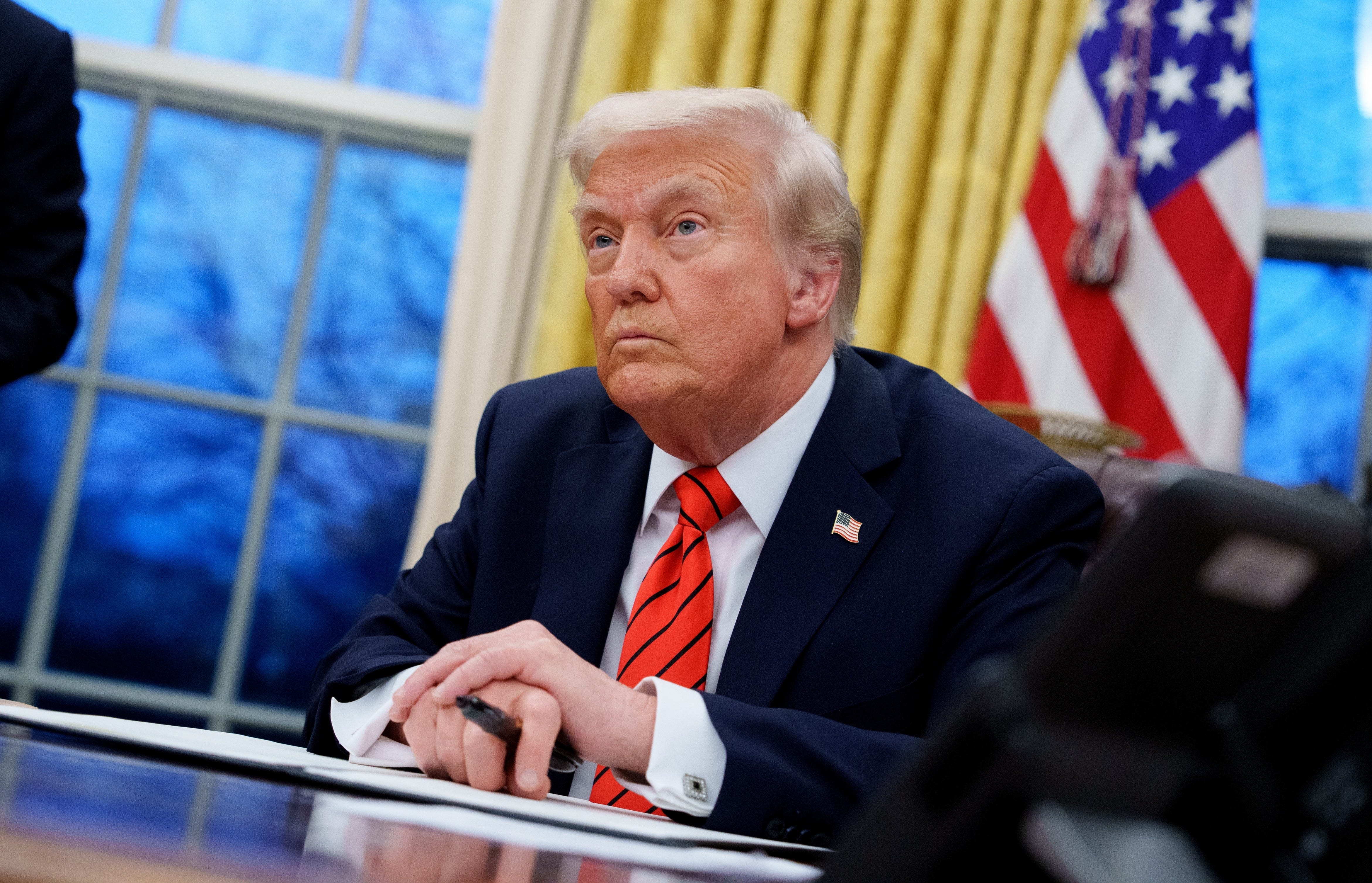
Insurrectionists. A drug trafficker. Donors. A crypto billionaire he claims to not even know. Donald Trump’s use of the presidential pardon power is completely out of control.
Contrary to popular belief, the delegates to the Constitutional Convention did not simply hand off an unfettered tool for abject corruption. The fact that it has morphed into just that under Trump has to do with the moral corruption of the system – and the people who populate it.
The US Constitution was ratified against the backdrop of English monarchical history. In medieval England, there were no jury trials until the 13th century. No constitutional rights. Anglo-Saxon kings seized the pardon power to temper harsh criminal laws with a “royal prerogative of mercy,” particularly in capital cases. In 1249, for example, after a 4-year-old girl was charged with homicide for accidentally opening a door that fatally pushed a younger child into a vat of boiling water, her father sought a pardon from the king, who directed the sheriff to release her from prison.
By the 14th century, the Crown increasingly used pardons as a means of political reconciliation, as well. In 1381, Richard II issued a general pardon in response to the Peasants’ Revolt, granting mercy to the king’s subjects who were accused of rebellion in response to a poll tax.
This dual purpose of the pardon – forgiveness and amnesty – appears in early American history, too.