


This article was published in collaboration with Egab.
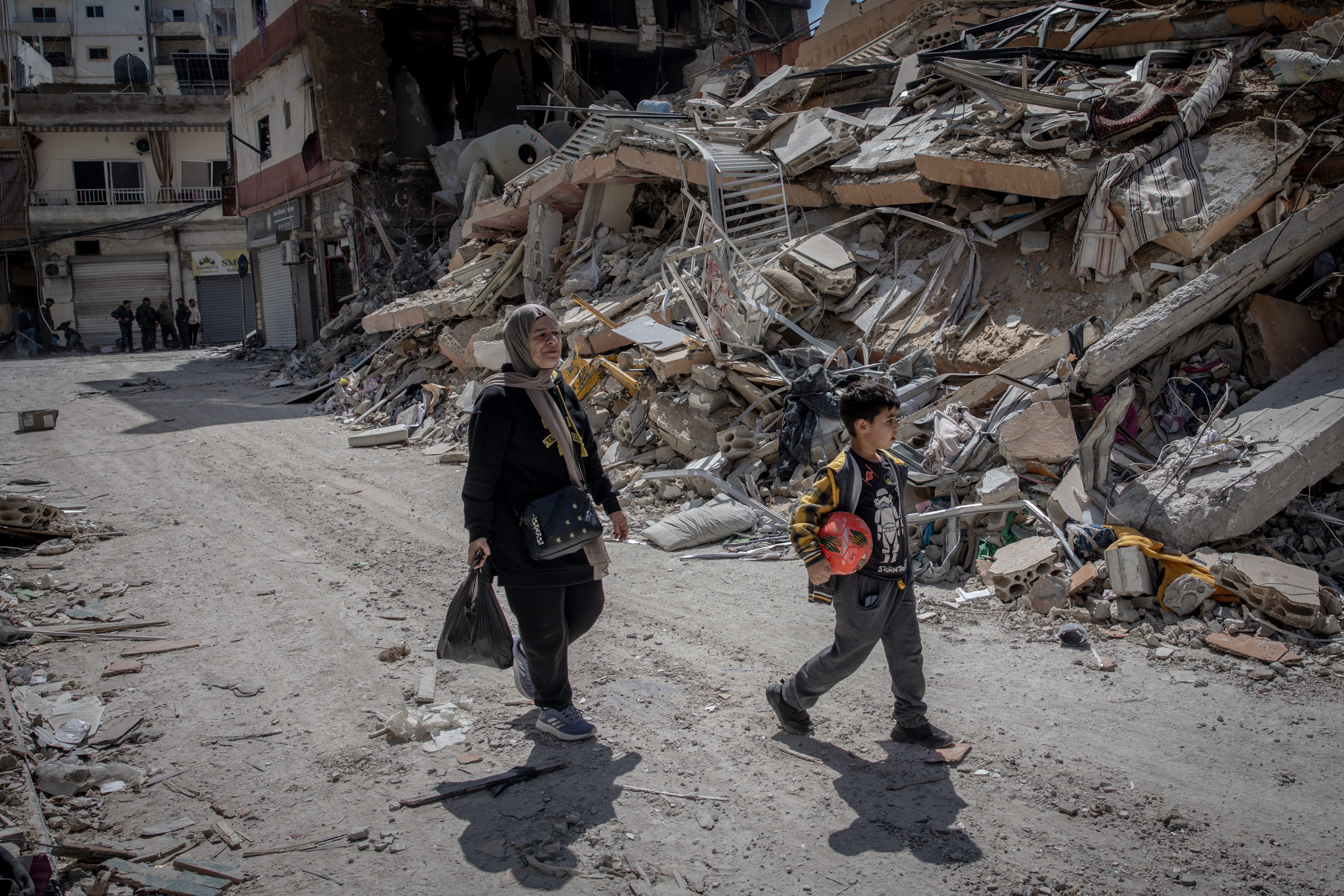
ANSAR, Lebanon – For the first 15 days of Israel’s renewed escalation in southern Lebanon, 53-year-old shepherd Abu Youssef refused to leave Khiam, a hilltop town just six kilometers (about 3.5 miles) from the Israeli border and a site that Israel occupied for 15 years during the Lebanese civil war, from 1985 to 2000. Eventually, though, intensifying air strikes and relentless shelling forced Abu Youssef, his family, and their more than 70 animals to flee to a nearby village.
“I thought the land would protect us, but the rockets kept getting closer,” Abu Youssef tells me.
“My home in Khiam was completely destroyed. This is the second time I’ve lost my house. I built it with the sweat of my brow after a previous war, and now it’s rubble again,” says Abu Youssef, referring to the previous conflict between Hezbollah and Israel, which ended in a 2024 ceasefire and Israel’s withdrawal.
To find safe ground, Abu Youssef left by foot, walking for hours with his 70-plus herd of sheep and goats, an 8-year-old son, and whatever belongings he could carry, before settling in Habboush village, a relatively safer town about a one-hour drive north of the border.
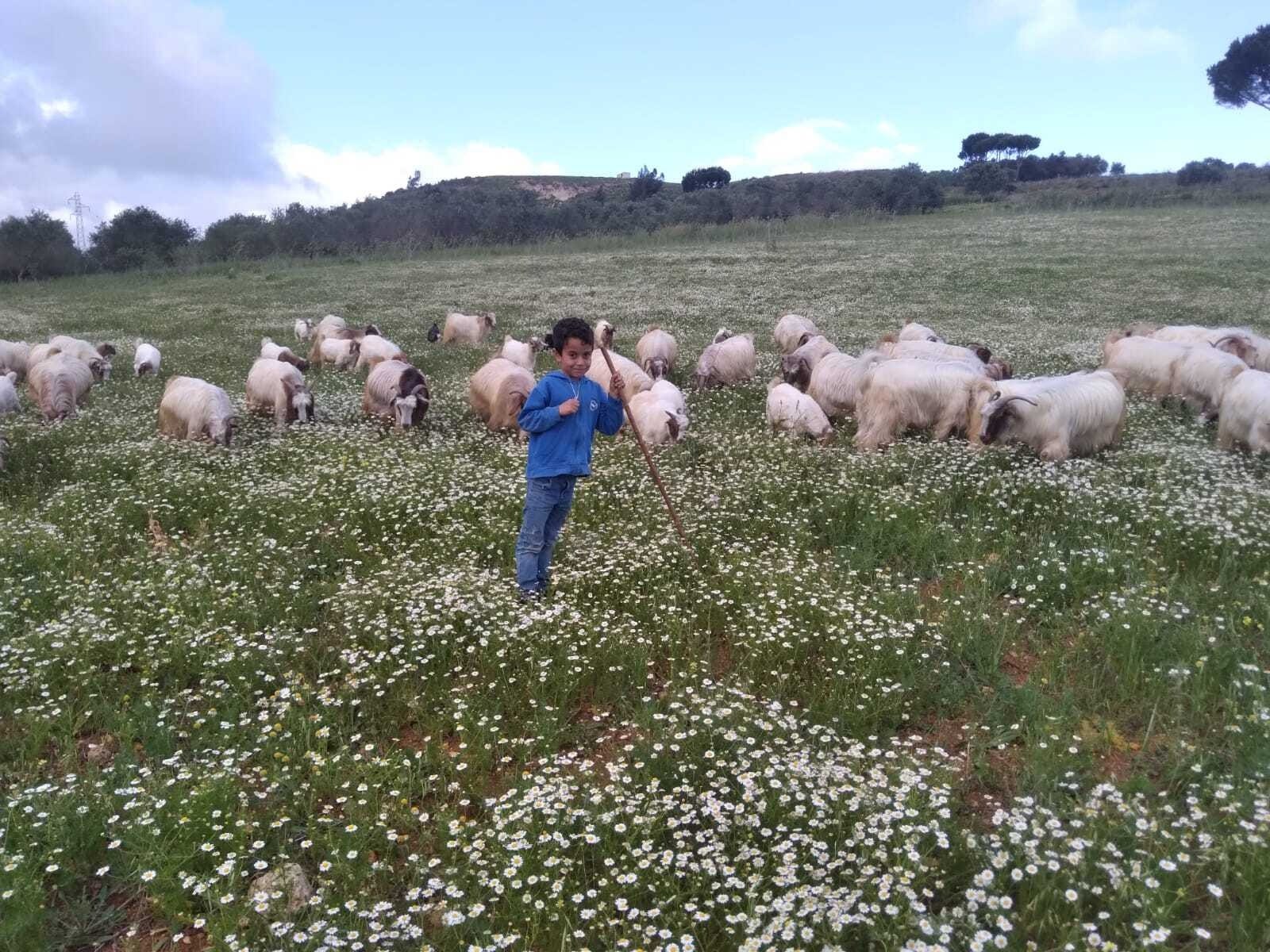
“We left with nothing but the clothes on our backs,” he says, his face deeply lined and tanned by decades of herding animals under the blazing sun of southern Lebanon.
The sudden exodus has split up his family, with his wife and daughter taking up refuge at a relative’s house while he sleeps with his son and their herd outside.
“I’m 53 years old, and I never imagined I’d be standing here, unable to put a roof over my head and the animals that feed my family, or that I’d be reduced to asking for just two small rooms to shelter my wife and what little remains of my livelihood,” says Abu Youssef. “My biggest fear now isn’t for myself, it’s for these souls in my care.”
Escalating Israeli strikes and a ground invasion that continues to push deeper into southern Lebanon have so far killed more than 1,530, razed villages, and displaced more than a million people, as it carries out an ethnic cleansing campaign against Lebanon’s Shia communities. On Wednesday alone, massive strikes across the capital, Beirut, and in parts of the south killed more than 300 people. Israel said on Thursday it was willing to hold talks with Lebanon, but it’s unclear if and when they would begin. The Israeli government has already said that those who fled north of the Litani would not be allowed to return home even if the fighting ends.
Many Lebanese here in the southern part of the country fled north after Israel issued “evacuation” orders to the entire area south of the Litani River, but for those like Abu Youssef, leaving is extremely difficult, if not impossible.
I spoke to seven people across southern Lebanon who, like hundreds of families, mostly Shias, are risking their lives to stay in the area. Some, like Abu Youssef, are unable to leave or cannot afford it. In safer parts of Lebanon up north, rental prices have soared. In some areas, prices have reached $3,000 for a small unfurnished apartment, with landlords demanding a full year of rent upfront, a near-impossible demand in a country whose economy has been in freefall in recent years, according to Beirut residents and displaced people. Still, others have decided to stay to help their communities. And many others who’ve refused to leave have simply determined that dying at home is better than the misery of displacement, which often entails living in cramped tents and overcrowded shelters.
These are their stories: