


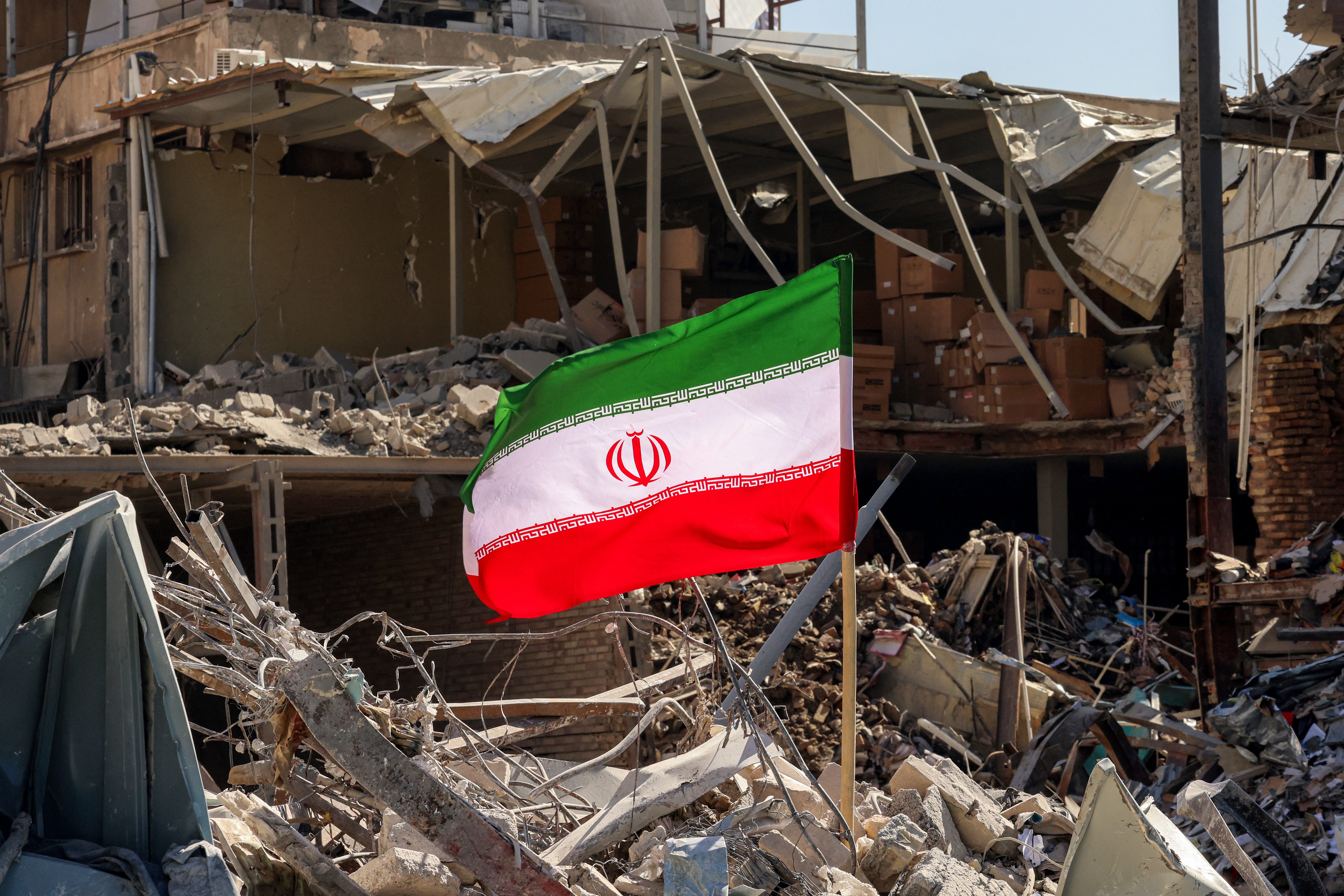
Many Iranians in the diaspora are cheering on Donald Trump’s war against their home country, despite the growing civilian casualties and widespread destruction, because they believe the fall of the theocratic regime will be a boost for democracy and freedom across Iran.
The problem is that those Iranians, like so many Americans, seem to have forgotten just how catastrophic US regime change wars have been in the past.
So, with the risk of history repeating itself once again, here is Zeteo’s list of seven of the US’s most disastrous attempts at regime change, ranked:
7. Chile
What Happened
When self-proclaimed Marxist Salvador Allende was elected fair and square as Chile’s president in 1970, President Richard Nixon and infamous warmonger Henry Kissinger quickly escalated the US’s already existing campaign against him by making Chile’s economy “scream,” conspiring with the Chilean military, and spending $8 million on covert operations.
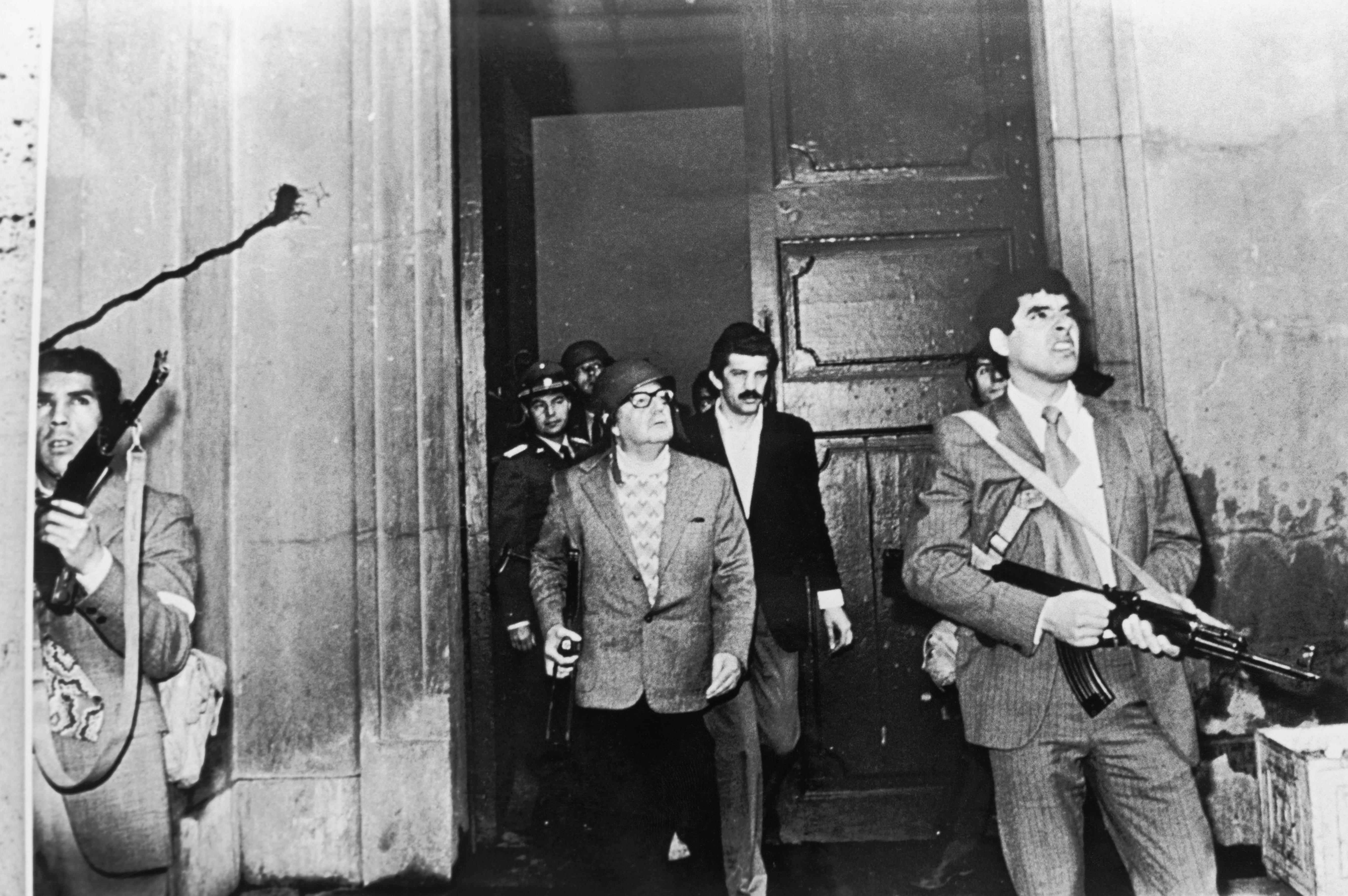
The Chilean military successfully took over the country in 1973, and installed General Augusto Pinochet as the country’s leader. Thank goodness for democracy-building!
What Was Said
Nixon justified his administration’s meddling in Chile years later, saying that he had been warned by an Italian businessman that Allende’s victory – combined with Cuba’s Fidel Castro – would create a “red sandwich” in Latin America.
How It Turned Out
One big fascist sandwich.
Pinochet’s 17-year dictatorship was defined by political repression and state violence, with tens of thousands of citizens tortured and an estimated 2,600 to 3,400 citizens executed or forcibly disappeared during his reign. While the country is now a stable democracy, Pinochet’s legacy is rearing its ugly head again through the likes of its new far-right, dictator-praising president, José Antonio Kast.
6. Libya
What Happened
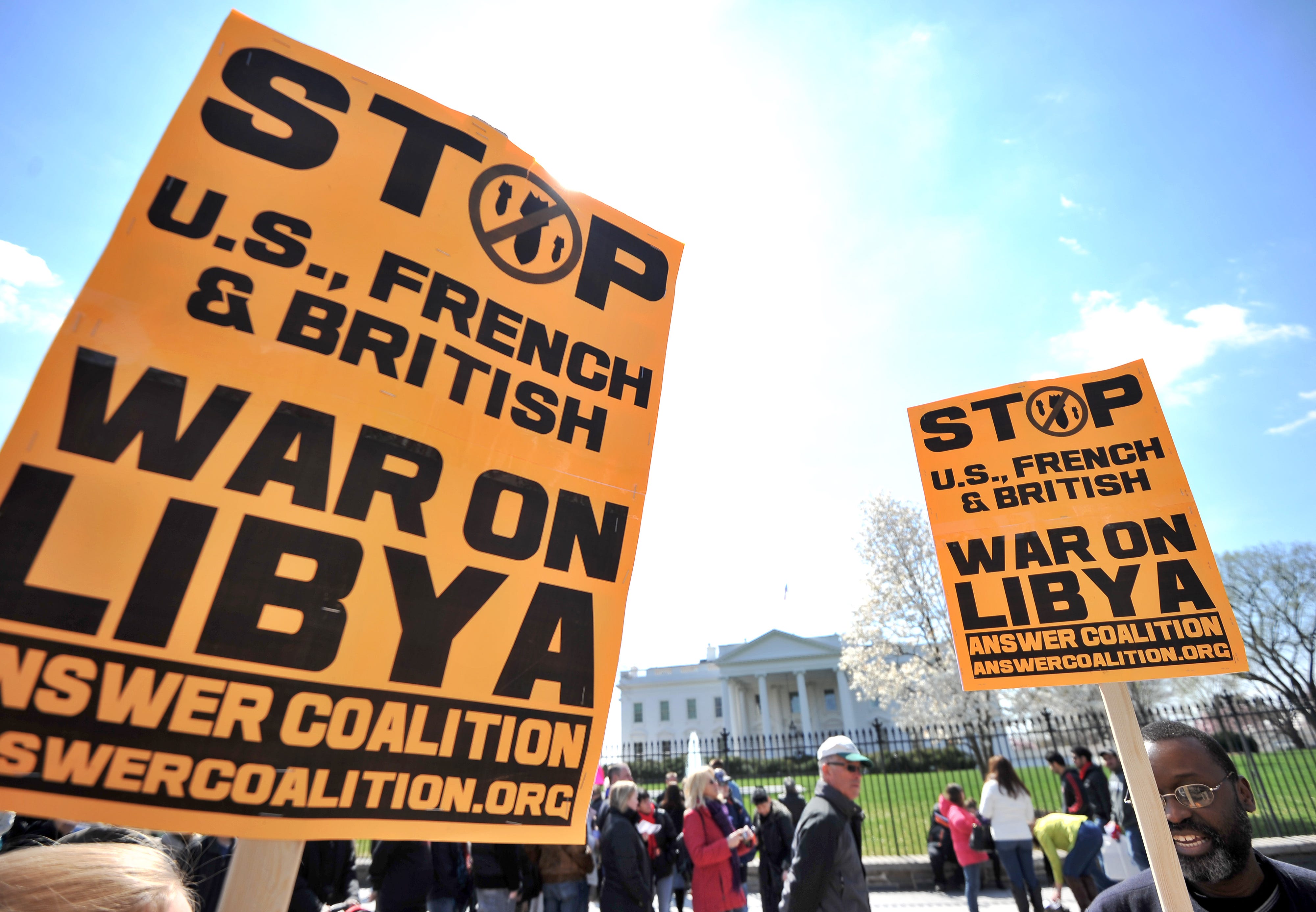
Back in 2011, during the Arab Spring, US-led NATO forces launched a military campaign against Muammar Gaddafi’s dictatorship for violently suppressing Libya’s pro-democracy protesters. Rebel forces later assassinated Gaddafi, after the US struck his escape convoy.
Sound familiar?
What They Said
“We came, we saw, he died,” the laughing Secretary of State Hillary Clinton bragged to reporters at the time.
How It Turned Out
After NATO forces left Libya, rival armed groups began to fight amidst the power vacuum, increasing political instability, and leading to a six-year civil war resulting in thousands of deaths.
The country still suffers from severe economic instability, armed militias, and political divisions today. Even their most recent election – the first in 11 years – was mired with torched electoral offices and rival administrations rejecting the ballot.
5. Democratic Republic of Congo
What Happened
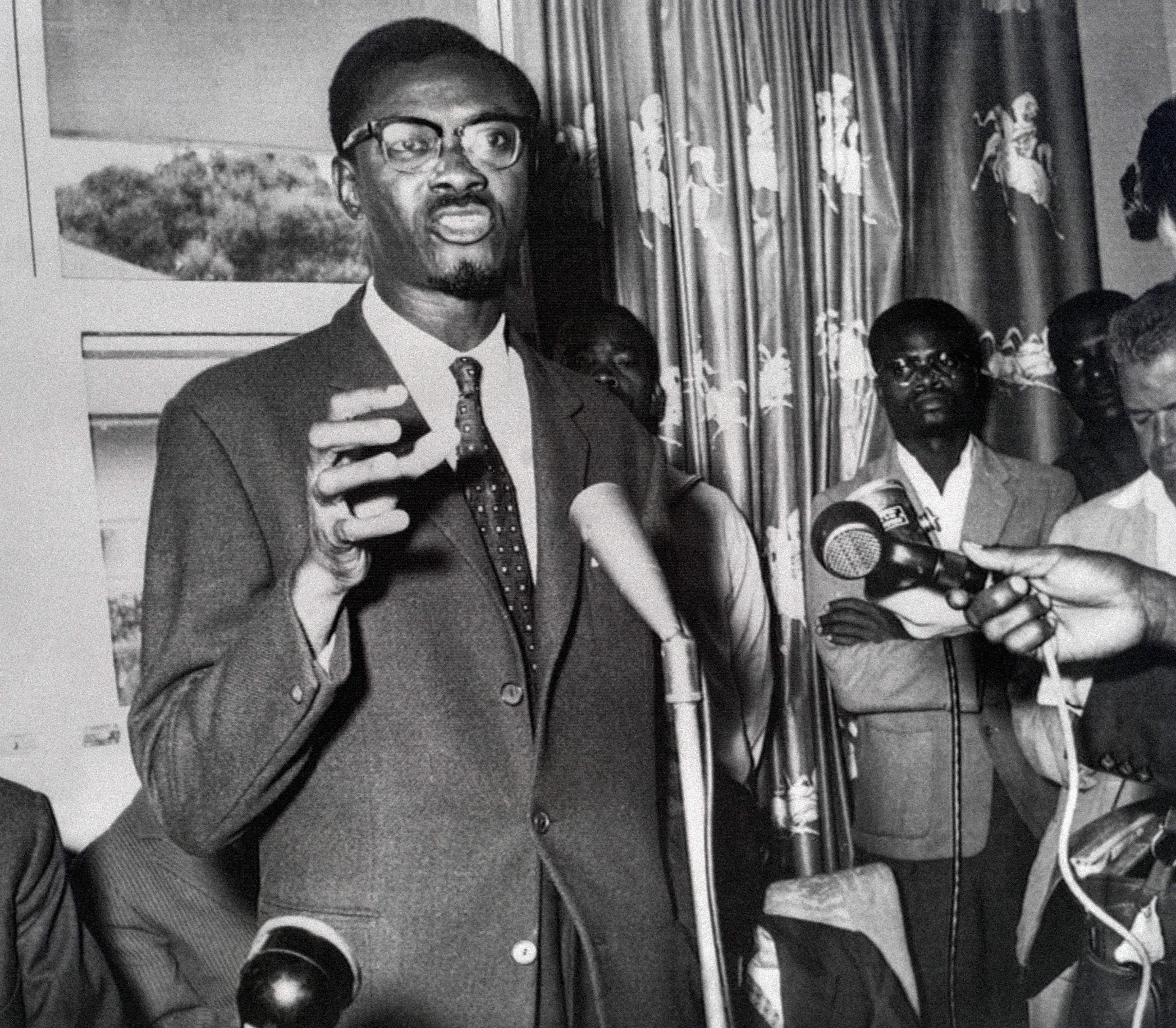
After the Belgian government left the newly independent Congo in chaos and disarray in 1960, Congo’s Prime Minister Patrice Lumumba appealed to the Soviet Union for help. The US quickly interpreted that plea as anti-American, and began to plan his ousting by fomenting protests at Lumumba’s speeches and paying the army commander – Joseph-Désiré Mobutu – to turn against him.
While the US had also begun to devise a covert plot to assassinate Lumumba, the Belgians ultimately beat them to it, killing him in 1961 with the help of armed Congolese men.
What They Said
In the lead-up to Lumumba’s assassination, CIA field officer Larry Delvin warned the US in a cable that, “there may be little time left in which [to] take action [to] avoid another Cuba,” even while admitting he was unsure whether Lumumba was an actual communist.
How It Turned Out
Zero communism, but loads of catastrophe.
Mobutu eventually went on to govern the country as a ruthless and corrupt dictator for over three decades, and was later overthrown in 1997, leading to an even bloodier war that resulted in millions of deaths.
The country today is still engulfed by violent conflict between rival groups, catastrophic hunger, and a paralyzed political system.
4. Iran (The First Time!)
What Happened
One word: oil.
In 1953, after Iran’s democratically-elected prime minister, Mohammad Mosaddegh, nationalized the country’s oil, the CIA and Britain’s MI6 launched a covert operation to overthrow him and restore absolute power to the autocratic Shah.
What They Said
Shortly after Mossadegh’s ousting, US President Eisenhower struck an oil agreement with Iran, writing that it marked, “a new era of economic progress and stability” for Iran.
How It Turned Out
Toppling only begets more toppling.
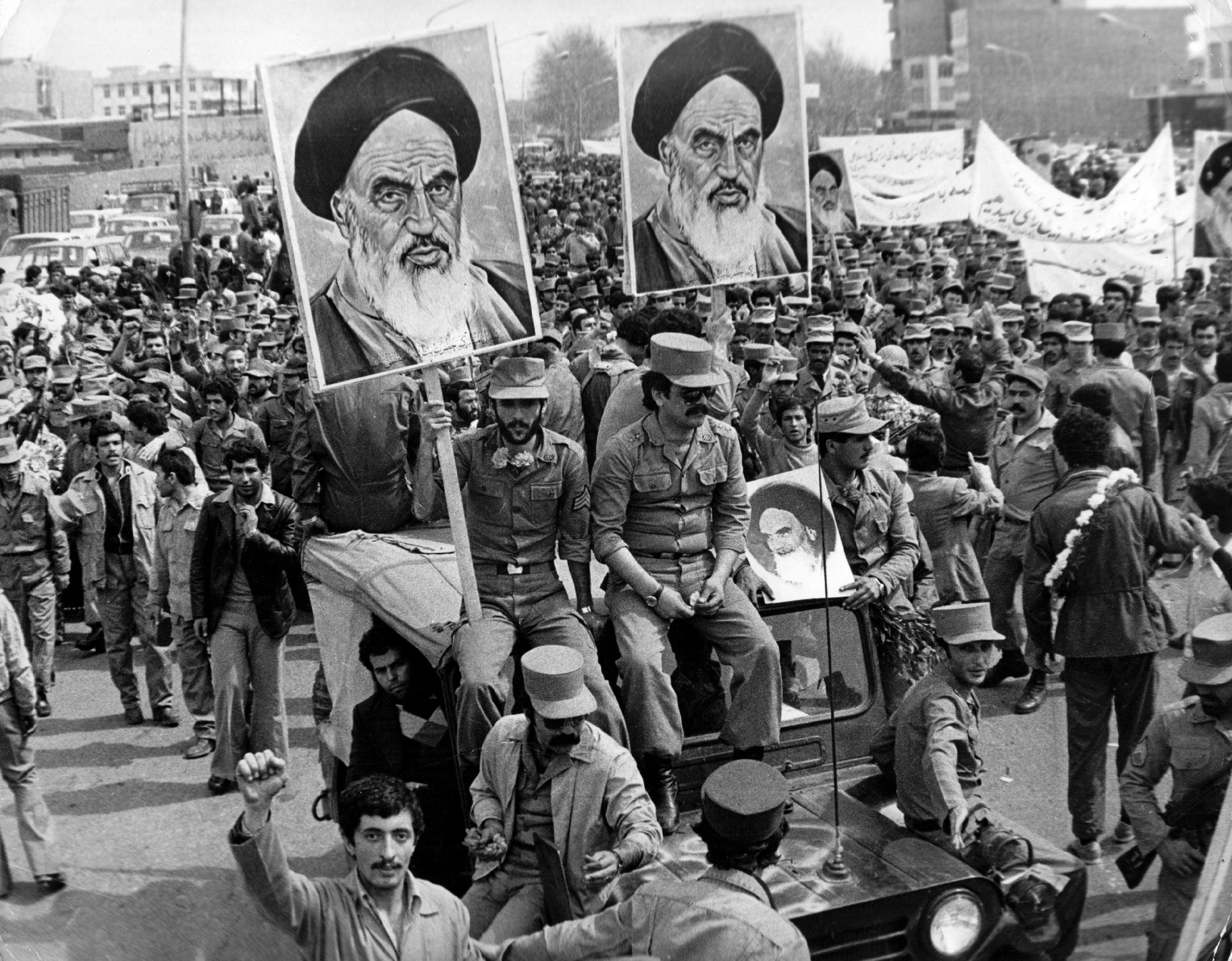
Ordinary Iranians grew to resent the Shah’s illegitimate and brutal rule and he was ultimately toppled by Ayatollah Khomeini in the 1979 Islamic Revolution, paving the way for the “wicked, radical dictatorship” Trump is attempting to overthrow today. A real full-circle moment!
3. Guatemala
What Happened
In the 1950s, the United Fruit Company lobbied the US government to take action against Guatemala’s democratically-elected president Jacobo Árbenz, painting his country’s reforms for low-wage farmers as a sign of communism.
Through a CIA operation defined by psychological warfare, anti-Árbenz propaganda, and a US-backed rebel invasion, Árbenz was forced to step down in 1954 under intense US pressure.
What They Said
US Secretary of State John Foster Dulles – who had financial connections to United Fruit – framed the coup as a triumph over communism, telling the public that Árbenz’s overthrow had removed, “at least one grave danger” to the American hemisphere.
How It Turned Out
Even greater dangers – which took hundreds of thousands of lives.
Six years after the coup, left-wing guerrilla groups – fueled by resentment over what they saw as an illegitimate regime – began fighting against Guatemala’s newly authoritarian government, plunging the country into a brutal 36-year civil war that included the horrific Guatemalan genocide, backed by the Ronald Reagan administration.
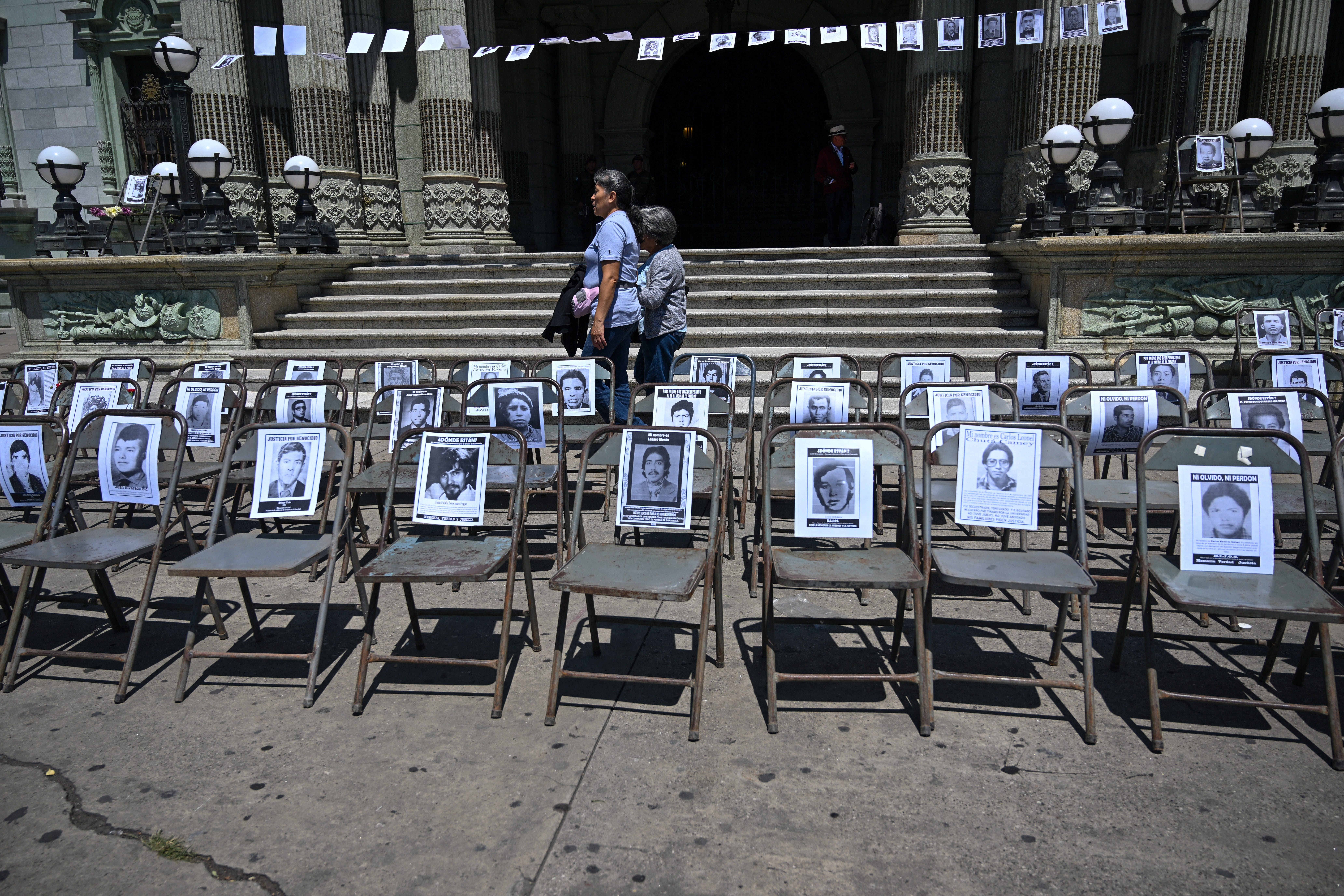
Today, the country grapples with high levels of organized crime, poverty, and corruption, prompting many Guatemalans to head for the United States southern border to claim asylum and search for a better life.
2. Afghanistan
What Happened
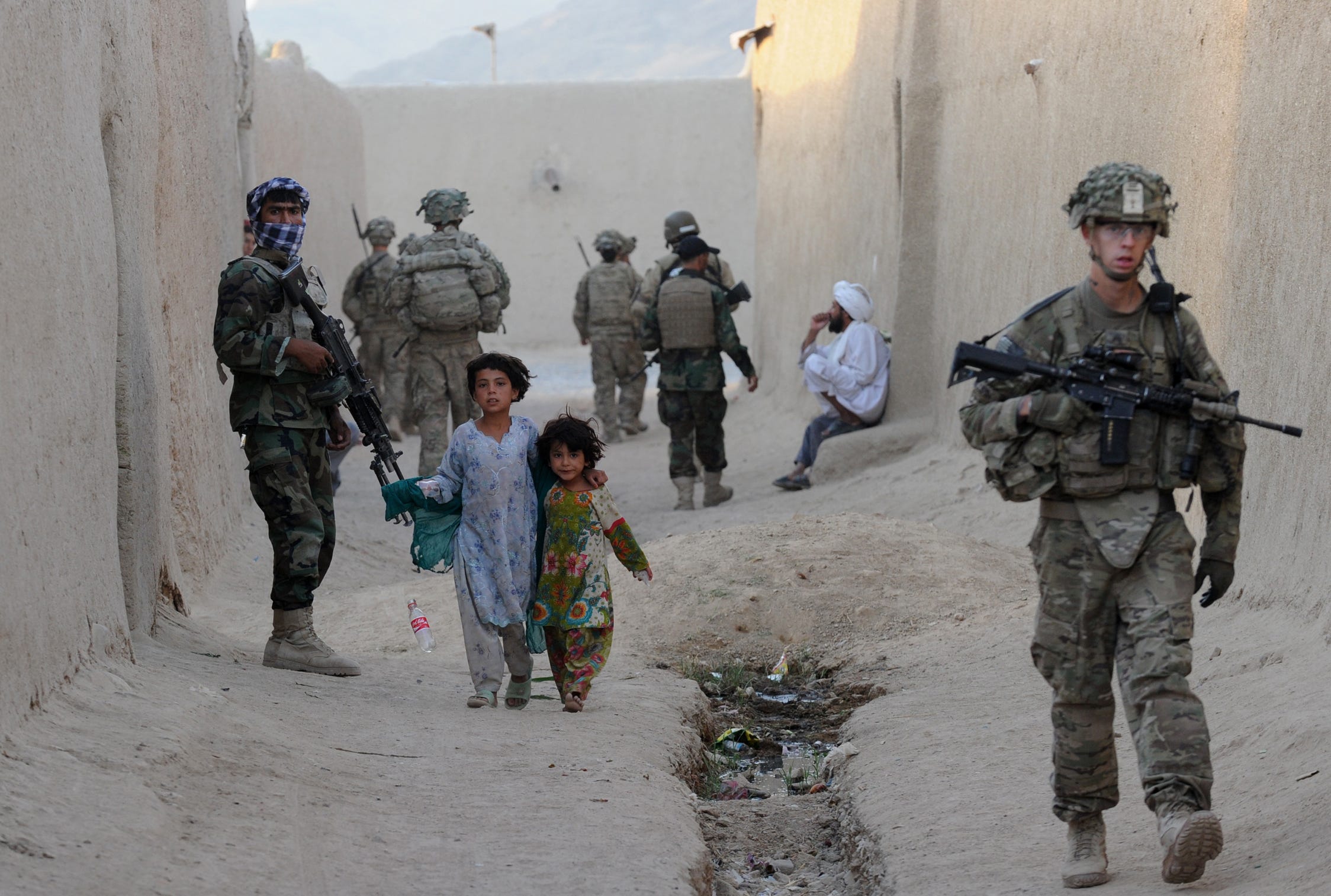
Less than one month after 9/11, the US invaded and occupied Afghanistan, aiming to drive out the Taliban for hosting Osama bin Laden and al-Qaeda.
What They Said
The United States labeled the regime change mission in Afghanistan ‘Operation Enduring Freedom.’ First Lady Laura Bush rallied Americans around the war effort by spotlighting the Taliban’s oppression of women, calling it “a fight for the rights and dignity of women.”
How It Turned Out
As it turns out, time (plus more time) does not heal all wounds. When the US eventually withdrew 20 years later, in the wake of an anti-American insurgency, tens of thousands of civilian deaths and thousands of US military deaths, the Taliban immediately seized control again, with the US leaving behind an estimated 78,000 Afghans who assisted in the US war effort and faced Taliban retribution.
Life for women in Afghanistan is now even more restrictive than it was before, as the Taliban has forbidden women from speaking in public and looking directly at men they are not related to.
1. Iraq
What Happened
In 2003, US President George W. Bush and UK Prime Minister Tony Blair proudly launched their illegal invasion of Iraq, after hyper-fixating on the country’s dictator, Saddam Hussein, and fabricating lie upon lie about Iraq’s non-existent weapons of mass destruction.
What They Said
“The tyrant has fallen, and Iraq is free,” a delusional Bush declared less than two months into the war. The US labeled the regime change mission ‘Operation Iraqi Freedom.’
How It Turned Out
The United States didn’t just commit a long list of infamous war crimes – including the use of white phosphorus in Fallujah, Abu Ghraib’s infamous torture campaign, and the horrific wedding bombing that killed over a dozen children – and create a refugee crisis of historic proportions. It also created the conditions for a decades-long sectarian civil war and the rise of ISIS, which led to the deaths of hundreds of thousands of Iraqis, and empowered the same Iranian regime it is currently bombing.
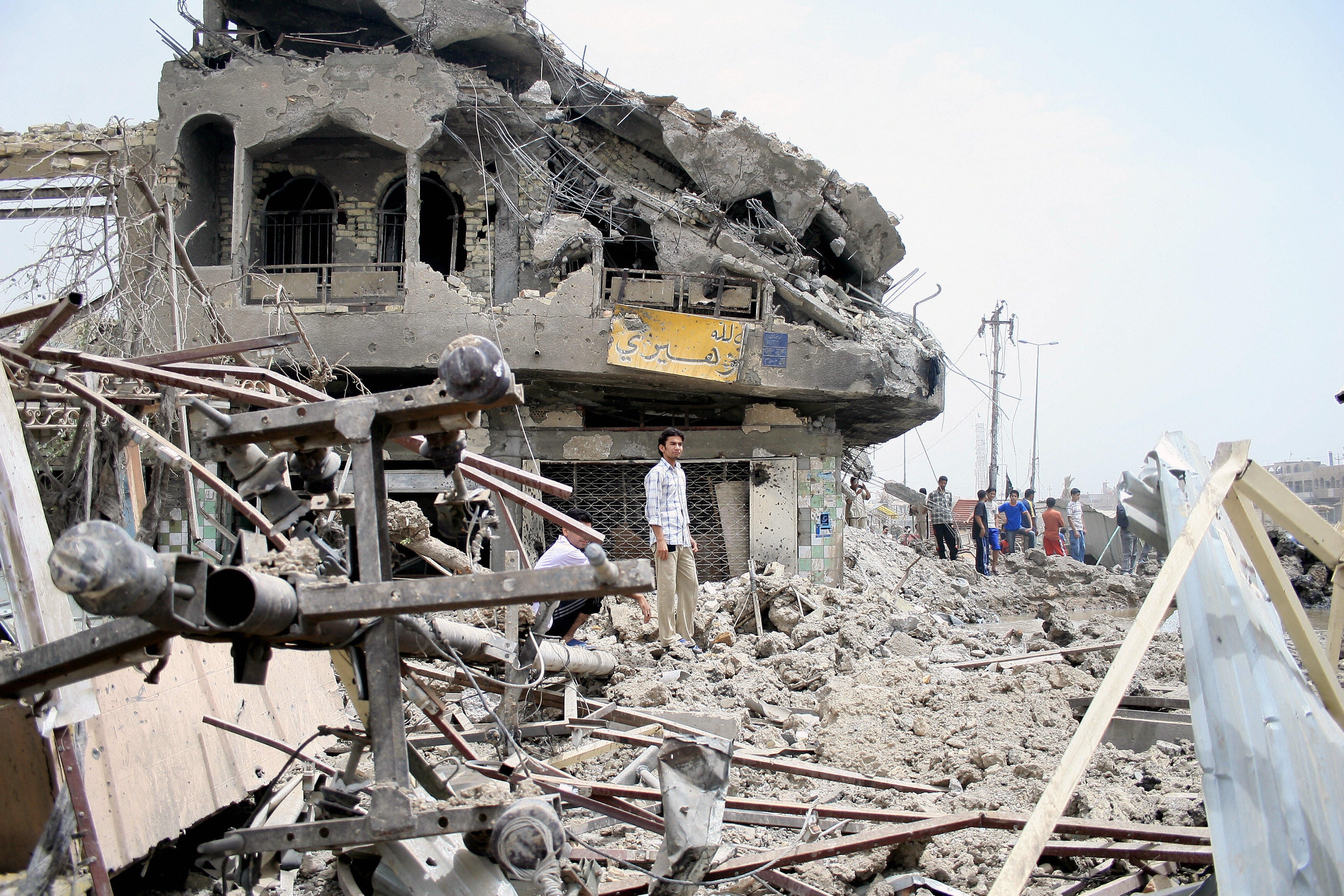
Iraq today remains plagued by violence, corruption, and authoritarianism, with many Iraqis blaming the country’s US-designed political system. Thanks, Bush!
I appreciate this clear summary of disastrous and unethical American intervention.
This history reveals the core pattern: US regime change doesn’t fail from bad execution …it fails because removing authority accelerates entropy, not order.
Destroy a regime without building replacement institutions and you don’t get democracy, you get competing factions fighting over the vacuum, systems fragmenting toward maximum disorder.
Chile got 17-year torture state, Congo got genocidal war, Libya got permanent militia rule. Iran 1953 is the tell…overthrew Mossadegh, installed Shah, created conditions for 1979 Revolution.
Now trying again on same country, zero learning. Trump demanding “unconditional surrender” and picking Iran’s next leader proves the point: thinks authority flows from declaration rather than structural reality.
Can kill Khamenei from 30,000 feet, can’t reverse entropy or install functioning governance. History doesn’t teach lessons to people optimizing for spectacle over outcomes.