


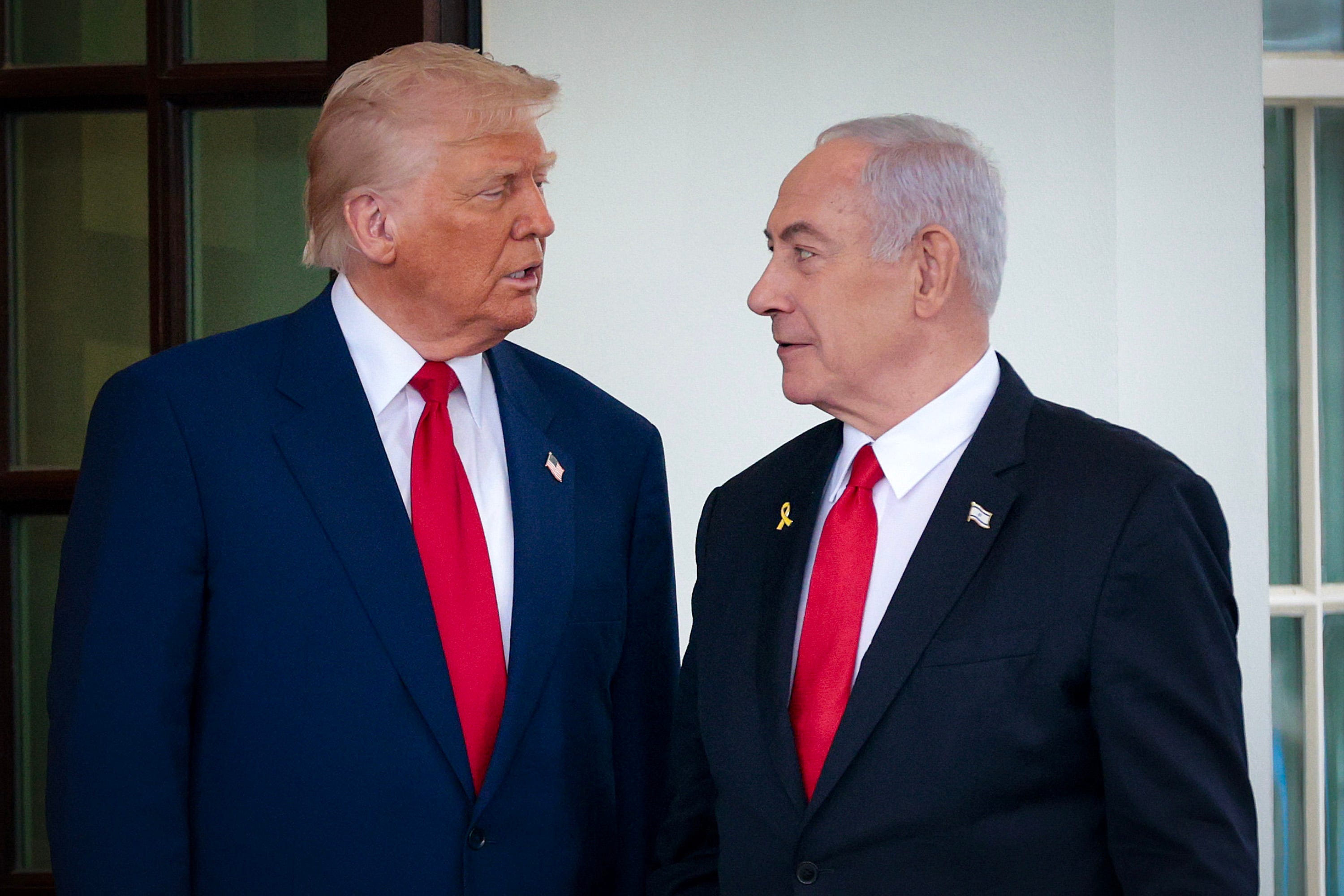
Currently, the U.S. gives Israel $3.3 billion a year in taxpayer-funded weapons financing. Ending that handout has been a principal demand of the pro-Palestine movement for years. Now, even voices, including Israeli Prime Minister Benjamin Netanyahu and Republican Senator (and Israel hawk) Lindsey Graham, are talking about winding it down. That’s a good thing, isn’t it?
Well, yes, if that was all there is to it. But the problem is the proposal that’s being offered in place of the grant military assistance Israel currently receives – something called the U.S.-Israel Defense Technology Cooperation Initiative. That plan – currently making its way through Congress as a part of the annual National Defense Authorization Act (NDAA) – is being sold as “business as usual”; nothing to see here, just continued cooperation between two technologically advanced militaries.
In my experience in over a decade in the arms transfer section of the State Department, giving access to America’s most sensitive defense technologies is never business as usual. So, how to think about this proposal?
This summer, millions of Americans will head to the beach. One of the enduring boardwalk attractions is the shell game – the mark is shown a pea, which is then hidden under one of three shells. If you can follow the movement fast enough to tap the right shell, you win the pot. But the game is rigged. What you see is not what you actually get.
Israel, and its allies in Congress, are currently engaged in just such a shell game. They want you to believe they’re winding down U.S. funding for Israel’s military – transitioning it to a more equal cooperative relationship that benefits all of us. But it’s a scam, and to beat it, you need to know how it works.
The U.S.-Israel Defense Technology Cooperation is captured in Section 219 of the version of the NDAA that will be making its way to the floor of the House of Representatives in the coming weeks. It does four main things you need to know about. Let’s break them down: